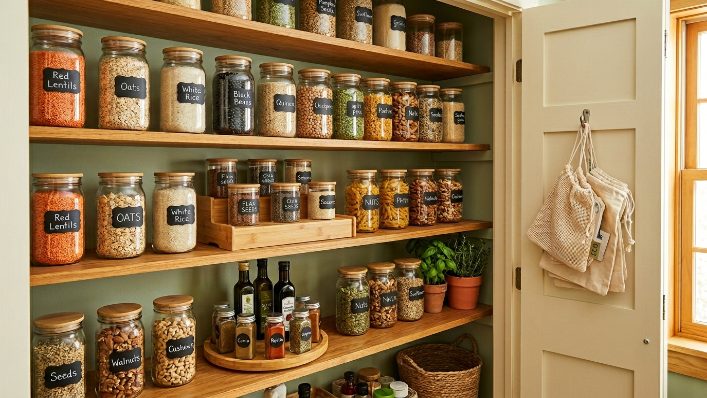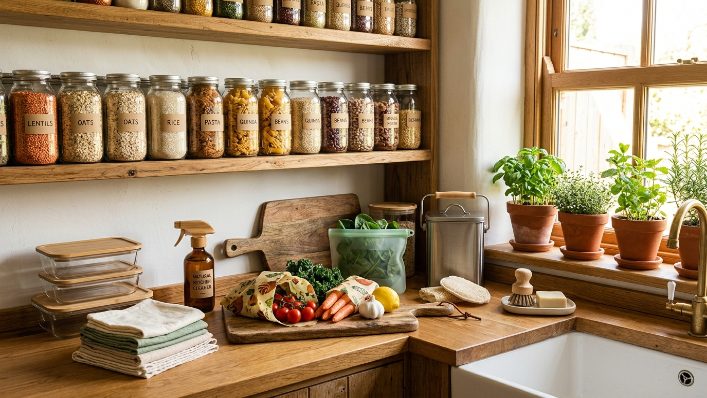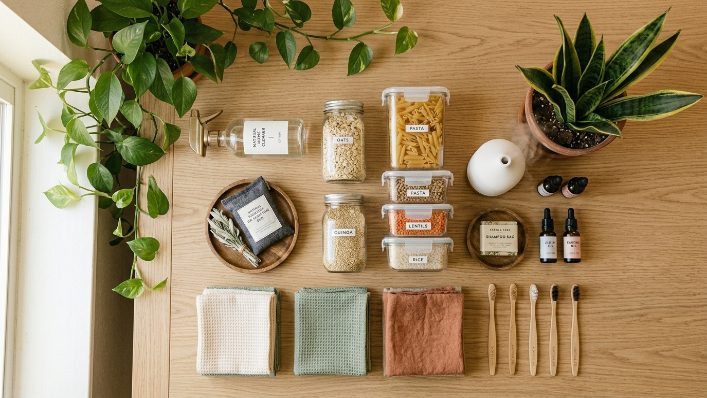
If you’ve been scrolling Pinterest dreaming of those serene, clutter-free kitchens with warm wood tones, gleaming glass jars, and earthy ceramic bowls, good news: that aesthetic is entirely achievable without a single piece of plastic. In fact, the most beautiful, editorial-worthy kitchens you’re pinning right now are almost always plastic-free by design.
This guide is your complete introduction to plastic-free kitchen essentials that are as gorgeous as they are good for you. Whether you’re just starting your non-toxic kitchen journey or doing a full swap-out, these are the pieces worth investing in, the ones that actually elevate your space.
Why Go Plastic-Free in the Kitchen?
Before we get to the pretty stuff, let’s talk about why it matters. Plastic in the kitchen isn’t just an aesthetic issue, it’s a health one. Many plastics contain BPA, phthalates, and other endocrine-disrupting chemicals that can leach into food, especially when exposed to heat, acids (like tomatoes or citrus), or fats.
Beyond the health angle, plastic degrades over time. It scratches, stains, warps, and ultimately ends up in a landfill. The materials we’re covering today, glass, stainless steel, wood, ceramic, and beeswax, are built to last decades, not months. That’s what makes them both the sustainable and the luxurious choice.
1. Glass Food Storage Containers
The upgrade that changes everything.
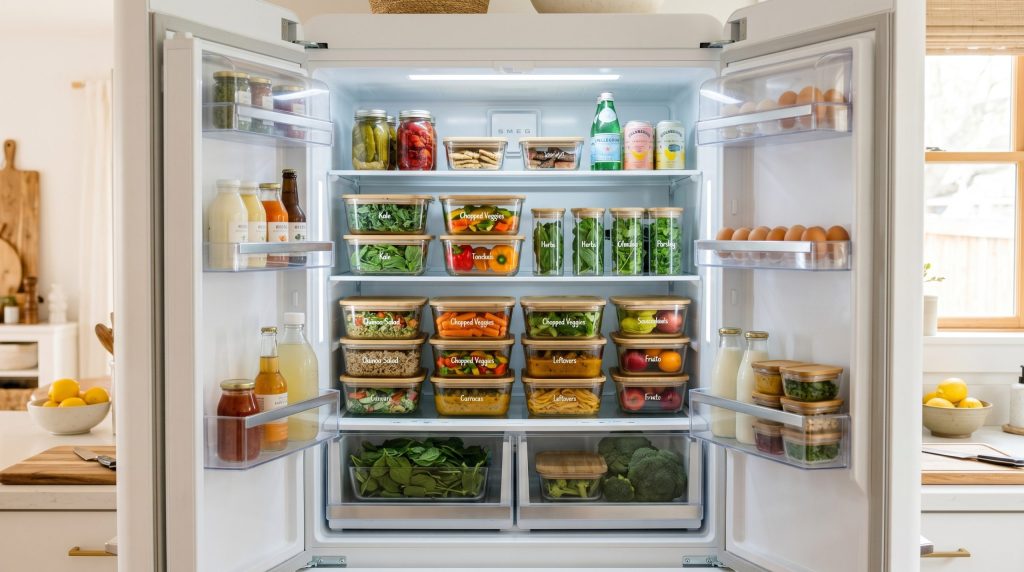
Swapping plastic Tupperware for glass food storage is the single most impactful plastic-free kitchen swap you can make. Glass containers are non-porous, meaning they don’t absorb odors or stains, they’re completely safe for reheating, and, crucially they look stunning stacked in your fridge or lined up on a shelf.
Look for:
- Borosilicate glass sets with bamboo or stainless lids
- Rectangular shapes that stack neatly (great for the fridge aesthetic)
- Clear glass so you can see contents at a glance
Aesthetic tip: A set of matching glass containers instantly makes your fridge look organized and intentional, a Pinterest-worthy moment every time you open the door.
2. Stainless Steel or Bamboo Utensils
Ditch the plastic spatulas and stirring spoons.
Plastic utensils are among the worst offenders, they melt near heat, scratch non-stick surfaces, and release microplastics directly into your food. The replacements? Far more beautiful.
Stainless steel utensils have a sleek, modern look that works in minimalist and Scandi-style kitchens. They’re virtually indestructible and dishwasher safe.
Bamboo utensils bring warmth and texture to the kitchen. Bamboo is naturally antimicrobial, grows incredibly fast (making it one of the most sustainable materials on earth), and pairs beautifully with earthy, organic kitchen aesthetics.
For a cohesive look, store them in a ceramic utensil crock on your countertop. It’s one of those small touches that makes a kitchen look genuinely curated.
3. Ceramic or Cast Iron Cookware
The non-toxic kitchen’s most statement-making pieces.
Non-stick pans coated in Teflon (PTFE) release toxic fumes when overheated and scratch easily with metal utensils. The elegant, durable alternatives are ceramic-coated cookware and cast iron skillets.
Ceramic cookware (think brands known for their colorful, enamel-finished pots) is free from PTFE and PFOA, cleans up easily, and looks absolutely stunning on a stovetop or hanging from a pot rack. Choose muted, earthy tones — sage green, terracotta, cream — for maximum aesthetic impact.
Cast iron is the heirloom piece of the kitchen. A well-seasoned cast iron skillet or Dutch oven is naturally non-stick, adds trace iron to food (actually a health benefit), and will outlast everything else in your kitchen. The matte black finish is timeless and pairs with every kitchen style.
4. Beeswax Wraps
The plastic wrap replacement that’s actually beautiful.
Beeswax wraps are one of those swaps that feel like magic once you try them. Made from organic cotton infused with beeswax, tree resin, and jojoba oil, they mold around bowls, cover cut produce, and wrap sandwiches — doing everything cling wrap does, but better.
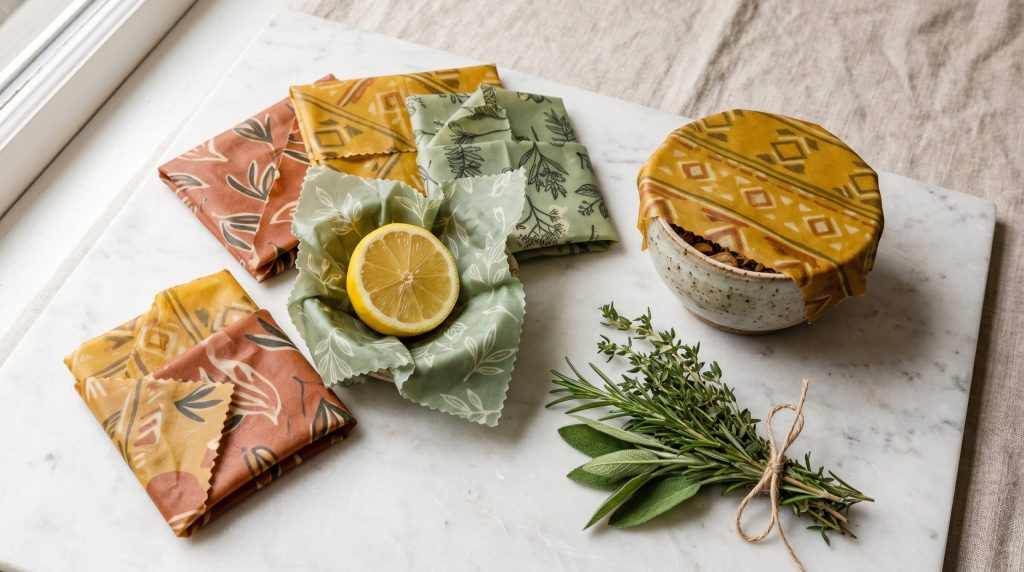
They come in gorgeous hand-printed patterns: botanical prints, geometric designs, vintage florals. Folded in a drawer or displayed in a basket on the counter, they look like something from a thoughtfully designed kitchen shop.
Each wrap lasts up to a year with proper care, and when it’s finally done, it’s fully compostable.
Pinterest note: Beeswax wrap flat lays are some of the most-saved kitchen organization photos on Pinterest. Definitely worth styling on your counter or in a woven basket for photos.
5. Glass or Stainless Steel Water Bottles & Pitchers
Elevate your hydration setup.
A glass or stainless steel water pitcher on the counter or in the fridge is one of those small details that makes a kitchen look polished. Add cucumber slices or fresh mint for a spa-like touch that photographs beautifully.
For everyday use, borosilicate glass bottles with silicone sleeves are both durable and stunning — the silicone provides grip and comes in beautiful muted tones. Stainless steel options keep water cold for hours and have a clean, architectural look.
6. Wooden Cutting Boards
The workhorse that doubles as decor.
Plastic cutting boards harbor bacteria in knife grooves and eventually end up in the trash. A solid wood or end-grain cutting board is the opposite: it’s naturally self-healing (wood fibers close around knife marks), gentler on blades, and absolutely gorgeous as a countertop display piece.
End-grain boards — made from blocks of wood arranged so the cut ends face up — are considered the gold standard. They’re harder-wearing than edge-grain boards and develop a rich, deep patina over time.
Styling tip: Lean a large wooden board against your backsplash when not in use. It reads as intentional, artful kitchen decor rather than just a utensil.
7. Glass Canisters & Spice Jars
The cornerstone of the aesthetic non-toxic kitchen.
Nothing transforms a kitchen counter or pantry shelf faster than a matching set of glass canisters. Decant your flours, sugars, grains, pasta, and coffee into uniform glass jars with airtight lids for a look that’s equal parts functional and beautiful.
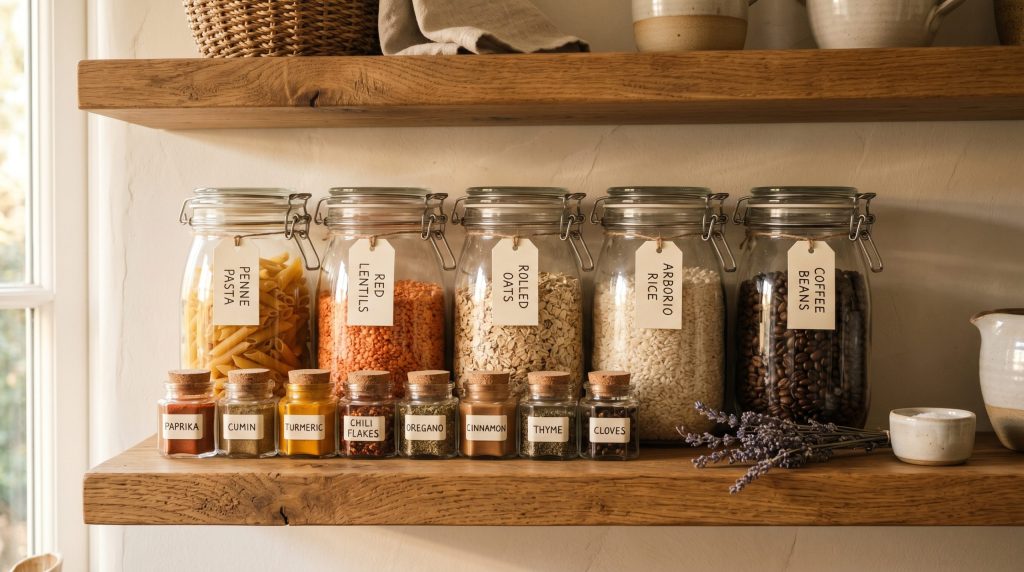
For spices, small glass jars with consistent labels (you can print or hand-letter these) lined up on a magnetic strip or tiered shelf create that chef’s kitchen look that’s endlessly pinnable.
What to look for: Swing-top borosilicate glass jars for pantry staples, and small hexagonal or cylindrical jars for spices. Bamboo lids add warmth; stainless lids lean modern and minimal.
8. Natural Fiber Dish Towels & Cloths
Replace paper towels and synthetic sponges.
This one is often overlooked, but plastic-based dish sponges shed microplastics with every use. Swap them for natural loofah sponges, wooden dish brushes with plant-based bristles, and cellulose or cotton dishcloths.
Linen and organic cotton dish towels are another easy win — they’re more absorbent than synthetic towels, soften beautifully with washing, and come in gorgeous neutral and earth-toned prints that look lovely folded over an oven handle.
9. Compost Bin (with Style)
Because sustainability should look good on the counter.
A dedicated compost bin makes it easy to collect food scraps — and it doesn’t have to be an eyesore. Matte ceramic countertop compost crocks with charcoal filters keep odors contained and look absolutely beautiful next to a marble countertop or wooden cutting board.
Choose one in a neutral tone that matches your kitchen palette. Cream, matte black, sage green, and warm terracotta are all popular and will blend seamlessly with your overall aesthetic.
Building Your Plastic-Free Kitchen: Where to Start
Feeling inspired but overwhelmed? Start small. The most impactful swaps, in order of priority:
- Glass food storage — daily use, high plastic contact with food
- Wooden cutting board — replaces plastic boards
- Beeswax wraps — replaces cling film
- Glass canisters — transforms pantry and countertop aesthetics instantly
- Natural utensils — easy swap, big visual upgrade
You don’t need to do everything at once. Replace items as they wear out, and gradually your kitchen will become the non-toxic, Pinterest-worthy space you’ve been envisioning.
Final Thoughts
The beautiful truth about plastic-free kitchen essentials is that the materials that are safest for your health — glass, wood, ceramic, stainless steel, beeswax — are also the ones that age with grace, look genuinely luxurious, and create a kitchen you actually want to spend time in.
This isn’t about perfection or spending a fortune overnight. It’s about making thoughtful, intentional choices that align your space with your values — and look stunning while doing it.
Save this post to your Pinterest boards for when you’re ready to start swapping, and explore more of our Aesthetic & Non-Toxic Kitchen Organization guides for deeper dives into each category.