If you have ever moved into a brand new apartment and noticed a sharp chemical smell hanging in the air, or opened a cabinet full of cleaning products and felt your eyes water from the fumes, you have already experienced firsthand what indoor air pollution feels like. Most people assume that the air inside their home is cleaner and safer than the air outside. The research tells a very different story.
The Environmental Protection Agency has found that indoor air can be two to five times more polluted than outdoor air and in some cases significantly worse than that. The primary sources of this indoor pollution are not mysterious or hard to identify. They are the everyday products most renters live with without a second thought. Synthetic cleaning sprays, plastic food containers, conventional scented candles, plug-in air fresheners, and cheap off-gassing furniture all contribute quietly and continuously to an indoor environment that undermines your health every single day you live in it.
The reassuring truth is that you do not need to overhaul your entire apartment overnight or spend a lot of money to make a meaningful difference. Five specific swaps address the biggest sources of indoor toxins in a typical small rented apartment. These five essentials are practical, budget-friendly, renter-appropriate, and genuinely effective at creating a cleaner and healthier home without requiring any permanent changes to your space.
1. A Natural All-Purpose Cleaning Kit
Cleaning products are the most significant and most consistently overlooked source of indoor air pollution in most apartments. They are also the easiest category to replace completely with natural alternatives that work just as well or better at a fraction of the cost. Most conventional cleaning products contain synthetic chemicals including ammonia, chlorine bleach, artificial fragrance compounds, and petroleum-derived surfactants that release volatile organic compounds into your indoor air every single time you use them. These compounds do not simply disappear after you finish cleaning. They linger in your air for hours and accumulate in your body over time through inhalation and skin absorption.
The deeper irony is that the harshest of these chemicals are not even necessary. Every surface in a typical small apartment can be cleaned thoroughly and safely with three simple natural ingredients that cost almost nothing and come without any of the health or environmental consequences of their commercial counterparts.
White vinegar is the cornerstone of any natural cleaning kit. Mixed fifty-fifty with water in a reusable glass spray bottle it cleans and disinfects kitchen counters, bathroom surfaces, stovetops, sinks, mirrors, and windows effectively and safely. The vinegar scent disappears completely within minutes of application leaving no chemical residue and no lingering artificial smell behind. A large bottle of white vinegar costs under two dollars and produces enough cleaning solution to last for several weeks of regular use.
Baking soda works alongside your vinegar spray as a gentle abrasive for surfaces that need more than a simple wipe down. It removes soap scum from shower tiles, grease buildup from stovetops, and stubborn stains from sinks and tubs without scratching any surface. When poured down a slow drain followed by white vinegar it creates a powerful fizzing reaction that clears blockages naturally without any need for the aggressively toxic chemical drain cleaners that are among the most dangerous products found in any household.
Castile soap rounds out the natural cleaning kit as a concentrated plant-based liquid soap derived from vegetable oils. Diluted appropriately it cleans floors, dishes, bathroom surfaces, and laundry effectively. A single bottle of concentrated castile soap replaces multiple different conventional cleaning products which is a significant practical advantage in a small apartment where cabinet and under-sink storage space is genuinely limited.
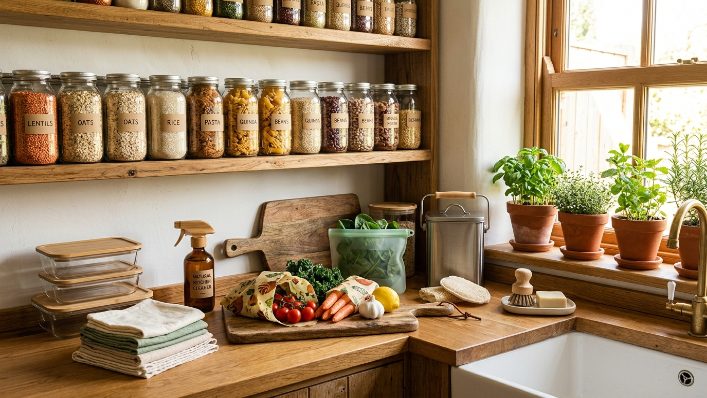
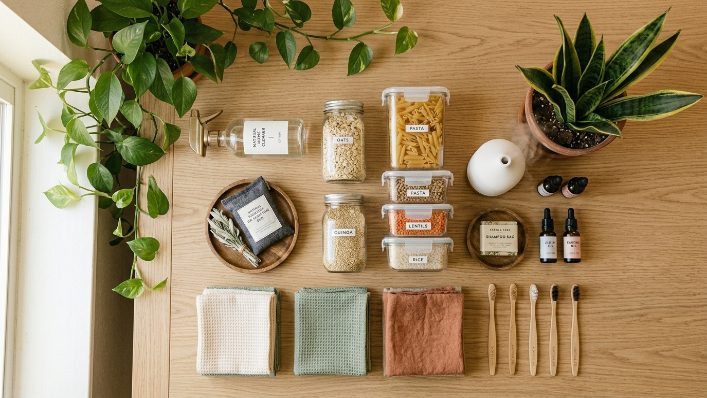
Pair these three ingredients with a set of ten to fifteen reusable cotton cleaning cloths and a wooden scrub brush with natural bristles and you have a complete cleaning kit that handles every cleaning task in your apartment, generates almost no ongoing waste, costs a fraction of what conventional products cost over a year, and introduces no synthetic chemicals into your indoor air or down your drains.
2. Non-Toxic Air Purification Tools
Once you have addressed what you clean your apartment with the next most important step is actively improving the quality of the air you breathe inside it every day. This matters more than most renters realize because the average person spends between eighty and ninety percent of their time indoors and the air quality in that indoor environment has a direct and measurable effect on respiratory health, sleep quality, cognitive function, and overall wellbeing.
Conventional air fresheners and synthetic scented products are among the most misleading sources of indoor air pollution because they are sold and marketed as products that make your home smell cleaner and fresher. What they actually do is introduce synthetic fragrance chemicals directly into your breathing air. The word fragrance on any product label legally represents a proprietary mixture that can contain hundreds of individual synthetic chemicals, many of which are classified as irritants, endocrine disruptors, and known or suspected carcinogens. These products do not clean or purify your air in any meaningful sense. They add more chemicals to air that is already compromised.
The most effective and completely free air purification tool available to any renter is simply opening windows. Fresh air circulation reduces the concentration of every indoor pollutant that accumulates in a closed living space by diluting and replacing stale chemical-laden indoor air with fresh outdoor air. Even ten to fifteen minutes of cross ventilation each morning makes a measurable difference to indoor air quality throughout the rest of the day.
Indoor plants provide ongoing passive air purification that improves continuously as they grow. Snake plants are the single best apartment air purifying plant available. They absorb common indoor pollutants including formaldehyde and benzene, require watering only once every two to three weeks, thrive in low light conditions, and are essentially indestructible under normal apartment conditions. A collection of three to five air purifying plants including pothos, peace lilies, and spider plants distributed around your apartment provides continuous natural air filtration that no synthetic air freshener can replicate.
A pure essential oil diffuser provides natural fragrance without any synthetic chemical exposure. An ultrasonic diffuser uses only water and a few drops of pure plant-derived essential oil to create a fine cool mist that scents your apartment naturally and safely. Lavender promotes calm and better sleep. Eucalyptus clears airways and supports respiratory health. Lemon and peppermint are energizing and mood lifting. Pure essential oils deliver genuine aromatherapy benefits that synthetic fragrance products simply cannot offer because the therapeutic compounds only exist in the real plant-derived oils.
Activated bamboo charcoal bags placed in enclosed spaces like wardrobes, bathroom cabinets, and under sink areas absorb odors and excess moisture passively and continuously without releasing any chemicals whatsoever. They last up to two years and can be refreshed simply by placing them in direct sunlight for a few hours. They are one of the most quietly effective non-toxic apartment tools available and cost between five and fifteen dollars for a set that covers your entire apartment.
3. Glass and Stainless Steel Food Storage
The plastic food containers sitting in your kitchen cabinets right now represent one of the most consistent and underappreciated sources of daily chemical exposure in a typical apartment. Every time food is stored in plastic, heated in plastic, or when plastic containers are washed in a hot dishwasher, there is a documented transfer of synthetic chemicals from the plastic material into the food it contains. The chemicals most commonly involved include BPA and its chemical replacements BPS and BPF, phthalates added to make plastic flexible, and various stabilizers and colorants used in plastic manufacturing.
Research on these chemicals has identified associations with hormonal disruption, developmental effects, metabolic changes, and a range of other health concerns that accumulate with ongoing low level exposure over time. The fact that these exposures happen through food, the most direct possible route into your body, makes the food storage category particularly important to address when building a non-toxic apartment.
Glass containers are the gold standard replacement for plastic food storage for reasons that go beyond just avoiding chemical exposure. Glass is completely non-porous which means it never absorbs food odors, flavors, or bacteria from previous contents. It goes safely from freezer to oven to microwave to dishwasher without any degradation in material safety or structural integrity. It does not stain from strong foods like tomato sauce or turmeric. And it lasts for decades rather than the one to three year practical lifespan of most plastic containers before they warp, crack, and need replacing.
A practical starter set for a small apartment consists of four to six glass containers in two or three sizes with snap lock silicone lids. The silicone lids create a genuinely airtight seal that keeps food fresh significantly longer than loose fitting plastic lids while introducing no chemical risk of their own. This set costs between thirty and sixty dollars and will still be performing perfectly ten to twenty years from now making it one of the best value kitchen investments available.
Stainless steel food grade 18/8 containers complement glass for situations where portability and durability are the priority. A stainless steel water bottle eliminates disposable plastic water bottles from your daily life entirely. A stainless steel travel mug eliminates disposable coffee cups. A stainless steel lunch container carries food to work or school safely without any chemical leaching risk under any temperature or handling condition.
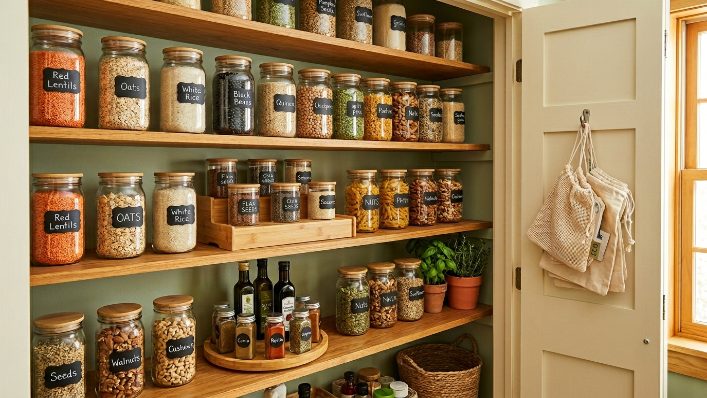
Mason jars deserve recognition as the most versatile and affordable non-toxic food storage solution available to any renter. Wide mouth mason jars in pint and quart sizes store dry pantry goods, salad dressings, overnight oats, soups, smoothies, and virtually anything else that needs containing. They are made from plain soda lime glass with no coatings, seal tightly, are dishwasher safe, and cost just a few dollars each. A collection of a dozen mason jars in two sizes can replace the majority of plastic containers, plastic bags, and miscellaneous storage items currently taking up space in a small apartment kitchen.
4. Natural Fiber Bedding and Textiles
The category of non-toxic apartment living that surprises most people is textiles. Bedding, towels, curtains, and soft furnishings feel so benign and so far removed from the concept of chemical exposure that most renters never think to examine what they are made of. The reality is that conventional synthetic textiles contribute to indoor chemical exposure in two distinct and significant ways that are worth understanding clearly.
The first is microplastic shedding. Textiles made from synthetic fibers including polyester, nylon, acrylic, and fleece are essentially plastic fabrics. Every time they are washed they shed thousands of microscopic plastic fibers into your laundry water. Every night of use they shed microplastic particles into your bedroom air and bedding dust. These particles are small enough to be inhaled and have been found in human lung tissue, blood, and organs in recent scientific research. The health implications of long term microplastic accumulation in human tissue are not yet fully understood but the research trajectory is not reassuring.
The second is chemical treatment off-gassing. Most conventional textiles are treated during manufacturing with a range of synthetic chemicals designed to give them desirable properties. Wrinkle resistance typically involves formaldehyde-based treatments. Flame retardancy involves brominated or chlorinated chemical compounds. Antibacterial properties involve triclosan or silver-based treatments. Many of these chemicals off-gas from textiles for an extended period after purchase and are absorbed through prolonged skin contact during sleep and daily use.
Given that the average person spends seven to nine hours every single night in direct skin contact with their bedding this category of chemical exposure is more significant than most people appreciate. The most impactful single switch you can make is to an organic cotton or linen pillowcase since your face and airways maintain the most prolonged and direct contact with this item during sleep. GOTS certified organic cotton guarantees that the entire production chain from farming through manufacturing has met strict standards for both organic integrity and chemical safety.
Build your natural fiber textile collection gradually and prioritize secondhand sources wherever possible. Thrift stores, estate sales, and online secondhand platforms regularly have high quality natural fiber textiles including wool blankets, linen duvet covers, cotton towels, and jute rugs at prices significantly below retail. Buying these items secondhand means any residual manufacturing chemicals have long since off-gassed and the environmental cost of production has already been paid.
5. A Simplified Non-Toxic Personal Care Routine
The final and in many ways most personal category of non-toxic apartment living is the collection of products you apply directly to your body every day. Research has documented that the average person applies between nine and fifteen separate personal care products to their skin each morning before leaving home. Each of these products contains its own mixture of ingredients and many conventional formulations include synthetic chemicals that are absorbed directly into the bloodstream through prolonged skin contact.
The synthetic chemicals of most concern in conventional personal care products include parabens used as preservatives in moisturizers, shampoos, and cosmetics. Sodium lauryl sulfate and sodium laureth sulfate used as foaming agents in shampoos, body washes, and toothpastes. Phthalates used as fragrance fixatives and plasticizers in a wide range of scented products. Aluminum compounds used in conventional antiperspirant deodorants. And synthetic fragrance which as noted earlier can represent hundreds of individual undisclosed chemical compounds in a single product.
Building a simpler and cleaner personal care routine does not require giving up effective products or dramatically increasing your spending. It requires reading ingredient labels with informed eyes and making gradual substitutions that reduce your overall synthetic chemical load over time.
The highest priority substitutions are those involving products with the longest skin contact time since these represent the greatest absorption opportunity. A natural facial moisturizer made from simple plant oils like jojoba, rosehip, argan, or a combination of these contains no synthetic preservatives, no parabens, no artificial fragrance, and is often more genuinely nourishing for skin than the complex formulations of commercial moisturizers. A natural deodorant made from baking soda or magnesium, arrowroot powder, shea butter, and essential oils eliminates aluminum compounds and synthetic fragrance from one of the most chemically absorbent areas of your body.
For hair care a quality shampoo bar and conditioner bar in paper or compostable packaging replaces two plastic bottles every few weeks and eliminates the sulfates and synthetic preservatives found in most liquid shampoos. For oral care a bamboo toothbrush, natural toothpaste in a glass jar or recyclable tube, and silk or plant-based natural floss in a glass refillable dispenser together replace some of the most persistent sources of plastic waste and synthetic chemical exposure in any bathroom.
The transition to a non-toxic personal care routine works best when approached as a gradual replacement process rather than a simultaneous overhaul. As each conventional product runs out replace it with a cleaner natural alternative rather than throwing away products you have already purchased. This approach spreads the cost of transitioning over several months, gives your skin and body time to adjust to new formulations gradually, and prevents the waste of throwing away products that still have usable life in them.
Your Non-Toxic Apartment Starts With One Swap
The five categories covered in this guide represent the areas of highest chemical exposure in a typical small rented apartment. Addressing your cleaning products eliminates the most significant source of ongoing indoor air pollution. Improving your air quality actively counteracts the accumulation of indoor pollutants from all sources. Switching your food storage removes chemical exposure from the most direct route into your body. Transitioning your textiles eliminates microplastic inhalation and chemical off-gassing during the hours when your body is most vulnerable and most focused on repair and recovery. And simplifying your personal care routine reduces the daily chemical load that your liver and other detoxification systems have to process on top of everything else they manage.
None of these changes need to happen simultaneously. None of them require a large upfront investment when approached gradually. And none of them require any permanent changes to your rented apartment that could affect your tenancy or your security deposit.
What they do require is the decision to start. To pick one category that resonates most with where you are right now and make the first swap this week. Then the next swap the week after. Then the one after that.
A non-toxic apartment is not a destination you arrive at all at once. It is a direction you choose to move in consistently over time. And every single step in that direction is a genuine and meaningful improvement to the health and quality of your daily life inside the space where you spend most of your time.