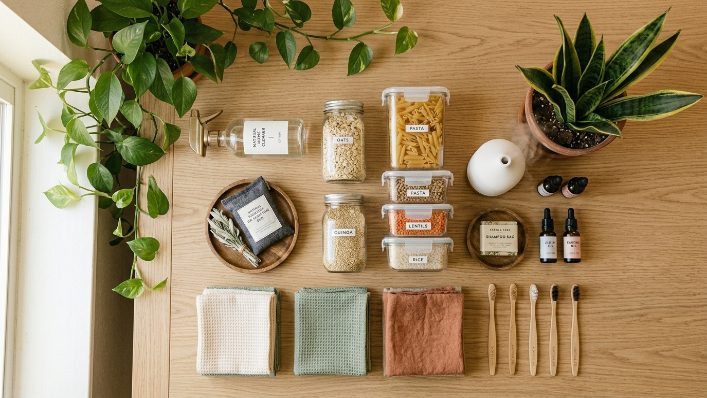
Your bedroom should be the most peaceful room in your home. It is the first thing you see when you wake up and the last thing you see before you fall asleep. But for a lot of people their bedroom is just a room with a bed and a pile of stuff that never quite feels intentional or restful. The good news is that creating a cozy eco-friendly bedroom does not require a renovation budget or a trip to an expensive home decor store.
This guide will show you exactly how to build a bedroom that feels warm, calm, and beautiful using sustainable choices, secondhand finds, and smart swaps that are kind to both your wallet and the planet.
Start by Decluttering Before You Buy Anything
The single most eco-friendly thing you can do to your bedroom costs absolutely nothing. Decluttering. A bedroom filled with too much stuff never feels cozy no matter how nice the individual pieces are. Clutter creates visual noise that makes your brain feel restless and overwhelmed even when you are trying to relax.
Go through your bedroom with honest eyes. Pull out everything that does not belong there. Clothes that have not been worn in a year. Random objects that ended up there without a real reason. Furniture pieces that crowd the space more than they serve it. Donate what is still useful to a local thrift store or give it away through community groups. Recycle or properly dispose of what cannot be donated.
Once the clutter is gone you will likely discover that your bedroom already has good bones. Most rooms look significantly better and feel significantly more spacious and calm after a thorough declutter than after any amount of decorating. Start here before spending a single dollar on anything else.
Choose a Calming Natural Color Palette
Color has a powerful effect on how a room feels. Bright harsh colors stimulate your brain and make it harder to wind down at the end of the day. Soft natural tones do the opposite. They signal to your nervous system that it is safe to relax, which is exactly what a bedroom should do.
The most eco-friendly way to change the color of your bedroom is to repaint using low-VOC or zero-VOC paint. Regular paint contains volatile organic compounds which are chemicals that evaporate into the air as the paint dries and continue off-gassing for months afterward. These chemicals are linked to headaches, dizziness, and respiratory issues and are particularly problematic in a bedroom where you spend eight hours breathing the air every night.
Low-VOC and zero-VOC paints are widely available at most hardware stores now and cost only slightly more than conventional paint. The color options are just as broad and the finish quality is just as good. Choose soft earthy tones like warm white, sage green, dusty clay, soft terracotta, or muted beige. These colors connect visually to the natural world and create an immediate sense of warmth and calm in any bedroom.
If repainting is not an option because you rent, you can achieve a similar effect through textiles, plants, and accessories in natural tones without touching the walls at all.
Invest in Organic or Natural Bedding
You spend roughly one third of your entire life in your bed. What your bedding is made of matters more for your health and comfort than almost any other material choice in your home. Conventional cotton bedding is grown using enormous amounts of pesticides and water. Synthetic bedding made from polyester is essentially plastic fabric that traps heat, creates static, and takes hundreds of years to break down in a landfill.
Organic cotton bedding is grown without synthetic pesticides or fertilizers and is certified to strict standards that protect both the environment and the workers who produce it. It feels softer than conventional cotton, breathes better, and gets even softer with every wash. Look for bedding certified by GOTS which stands for Global Organic Textile Standard. This certification guarantees the organic claims are genuine and verified.
Linen bedding is another outstanding eco-friendly option. Linen is made from flax plants which require very little water and no pesticides to grow. Linen fabric is naturally thermoregulating which means it keeps you cool in summer and warm in winter. It is extremely durable and actually gets softer and more beautiful the longer you use it. A quality linen duvet cover can last fifteen to twenty years with proper care.
If a full set of organic or linen bedding is outside your current budget, start with just one piece. An organic cotton pillowcase is the most impactful place to start since your face is in direct contact with it for hours every night. Build your bedding collection gradually over time replacing pieces as your current ones wear out rather than buying everything at once.
Shop Secondhand for Furniture
Bedroom furniture is one of the biggest sources of indoor air pollution in most homes and most people have no idea. Cheap flat-pack furniture made from particleboard and MDF is held together with adhesives that contain formaldehyde and other chemicals that off-gas into your bedroom air for years after purchase. This is especially concerning in a bedroom where the door is often closed and ventilation is limited.
Solid wood secondhand furniture is a far healthier and more eco-friendly alternative. Older furniture made from solid wood contains no synthetic adhesives or chemical treatments. It is also significantly more durable than modern flat-pack pieces. A solid wood dresser from a thrift store or Facebook Marketplace will outlast five or six cheap flat-pack dressers and cost the same or less.
When shopping secondhand for bedroom furniture look for solid wood pieces with dovetail joints in the drawers which is a sign of quality craftsmanship. Check that drawers slide smoothly and that the piece sits level. Minor cosmetic issues like scratches, dull finish, or outdated hardware are easy to fix with a light sand, a coat of natural beeswax or low-VOC paint, and new hardware from a hardware store.
Transforming a thrifted dresser or nightstand into something that looks completely intentional and beautiful is one of the most satisfying and creative projects you can do for your bedroom. The result is a piece that is completely unique, fully sustainable, and often far more characterful than anything you could buy new.
Layer Natural Textiles for Warmth and Texture
Nothing makes a bedroom feel cozier faster than layering soft natural textiles. This does not mean spending a lot of money. It means being intentional about what you bring into the space and choosing materials that are both beautiful and sustainable.
A chunky knit throw blanket made from wool or cotton draped over the end of the bed adds immediate warmth and visual texture. Wool is one of the most naturally sustainable fibers available. It is renewable, biodegradable, naturally flame resistant, and regulates temperature better than almost any synthetic material. Look for wool throws at thrift stores, estate sales, or from small sustainable brands during sales.
Woven jute or cotton rugs add warmth to cold floors and define the space in a way that makes even a small bedroom feel more intentional and complete. Natural fiber rugs made from jute, sisal, seagrass, or cotton are biodegradable, free of synthetic chemicals, and often very affordable especially when bought secondhand.
Linen or cotton curtains in a soft natural color add privacy, filter light beautifully, and add another layer of natural texture to the room. Look for curtains made from undyed or naturally dyed fabrics. Sheer linen curtains are particularly beautiful in a bedroom because they soften incoming light into a warm diffused glow that makes the whole room feel gentle and calm.
Bring in Plants for Air Quality and Calm
Bedroom plants serve two purposes at once. They improve the air quality in your room by absorbing carbon dioxide and releasing oxygen, and they bring a sense of life and calm to the space that no piece of decor can fully replicate.
The best plants for bedrooms are low-light tolerant and do not require frequent watering since bedroom conditions tend to be more stable and less sunny than kitchens or living rooms. Snake plants are the single best bedroom plant available. They are nearly impossible to kill, thrive in low light, require watering only once every two to three weeks, and are known for their air purifying qualities. A single snake plant in a beautiful pot costs around $10 to $20 and can live for decades.
Pothos is another excellent bedroom plant. It grows in trailing vines that look stunning on a shelf or hanging from a hook near a window. It tolerates low light and irregular watering with ease and can be propagated for free by taking cuttings and placing them in a glass of water until roots develop.
Peace lilies produce beautiful white flowers and are one of the most effective air purifying plants studied in NASA research. They prefer shade and moderate watering making them perfectly suited to bedroom conditions.
Choose pots made from natural materials like terracotta, ceramic, or recycled materials rather than plastic pots. Terracotta is especially good for plant health because it is porous and allows air and water to move through the soil more naturally.
Swap Synthetic Candles for Natural Alternatives
Candles are one of the most popular ways to add warmth and atmosphere to a bedroom but most conventional candles are made from paraffin wax which is a petroleum byproduct. When burned, paraffin candles release toxic chemicals including benzene and toluene into your air. In a closed bedroom this is a real concern for air quality.
Beeswax candles are the most eco-friendly alternative. Beeswax is a completely natural material that burns cleanly without releasing harmful chemicals. It actually emits negative ions when burned which are known to neutralize pollutants in the air. Beeswax candles also burn significantly longer than paraffin candles of the same size making them more economical in the long run despite the slightly higher upfront cost.
Soy candles are another popular eco-friendly option. Soy wax is made from soybean oil which is a renewable resource. Soy candles burn cleanly, last longer than paraffin, and are widely available at reasonable prices. Look for soy candles scented with essential oils rather than synthetic fragrance which can contain the same types of chemicals found in paraffin candles.
If candles feel like too much of a splurge, a simple essential oil diffuser achieves a similar atmosphere with just water and a few drops of natural essential oil. Lavender is the classic bedroom scent for relaxation and sleep. Cedarwood and bergamot are also known for their calming properties.
Use Soft Eco-Friendly Lighting
The lighting in your bedroom has a direct effect on your sleep quality. Harsh bright overhead lighting in the evening tells your brain it is still daytime and suppresses the production of melatonin which is the hormone that makes you sleepy. Soft warm lighting in the hours before bed helps your brain shift into sleep mode naturally.
Switch your bedroom bulbs to warm LED bulbs with a color temperature of 2700K or lower. This produces a soft amber glow similar to candlelight that is gentle on your eyes and supportive of your natural sleep rhythm. LED bulbs use a fraction of the electricity of incandescent bulbs and last for years making them both the eco-friendly and economical choice.
Solar powered fairy lights or string lights are a beautiful way to add a second layer of warm ambient lighting to your bedroom without using any additional electricity. Drape them along a headboard, around a window frame, or along a shelf for a soft magical glow that makes the whole room feel cozy and intentional.
A small rechargeable bedside lamp gives you the option to read or wind down without turning on the main overhead light at all. Look for lamps made from natural materials like bamboo, wood, or ceramic with a warm-toned bulb for the most eco-friendly and aesthetically pleasing result.
Organize With Natural Materials
Storage and organization in a bedroom does not have to mean plastic bins and synthetic baskets. Natural material organizers are widely available, beautiful to look at, and much more sustainable than their plastic counterparts.
Woven seagrass or water hyacinth baskets are perfect for storing extra blankets, books, charging cables, or anything else that tends to accumulate in a bedroom. They stack neatly, look warm and natural in any style of room, and are made from rapidly renewable plant materials. You can often find beautiful woven baskets at thrift stores for just a few dollars each.
A simple wooden tray on your nightstand or dresser corrals small everyday items like your phone, book, lip balm, and jewelry in one organized spot so they do not scatter across every surface. Look for trays made from reclaimed or FSC certified wood.
Wooden or bamboo hangers in your wardrobe replace the wire or plastic hangers that most people accumulate without thinking. Natural fiber or wooden hangers keep clothes in better shape, last much longer, and look far more intentional when you open your closet door.
Add One Meaningful Natural Element
The finishing touch that elevates an eco-friendly bedroom from just clean and organized to genuinely special is one meaningful natural element that you personally connect with. This looks different for everyone.
For some people it is a piece of driftwood found on a beach displayed on a shelf. For others it is a collection of smooth stones arranged in a small ceramic bowl on the nightstand. It might be a pressed wildflower in a simple frame, a dried botanical wreath above the bed, or a single branch from the garden placed in a tall vase.
These elements cost almost nothing and often come from places that hold personal meaning. They bring the outside world into your most private and personal space and create a sense of connection to the natural world that makes a room feel genuinely alive rather than just decorated.
The Bedroom You Deserve Does Not Cost a Fortune
Creating a cozy eco-friendly bedroom is not about buying the most expensive organic mattress or filling your room with designer sustainable furniture. It is about making thoughtful choices with what you already have, choosing natural materials over synthetic ones whenever possible, and building your space gradually with intention rather than all at once.
Every swap you make toward something more natural and sustainable makes your bedroom a healthier, calmer, and more beautiful place to rest. And when you build it slowly and deliberately, choosing each piece with care, the result is a room that feels genuinely personal and peaceful in a way that no amount of fast furniture shopping can ever produce.
Start tonight. Declutter one surface. Open the window. Move a plant into the room. The transformation begins with the very first small step.