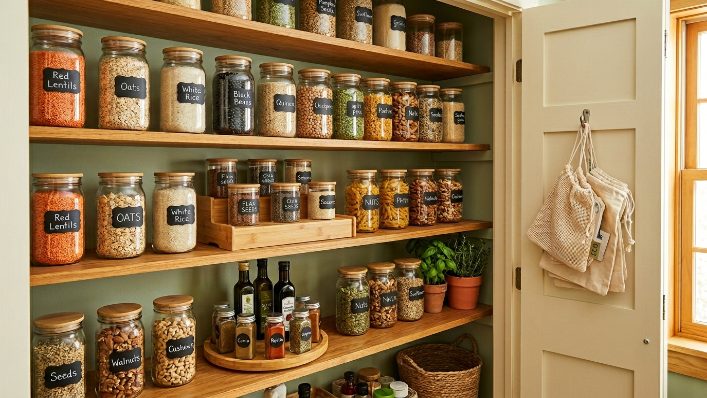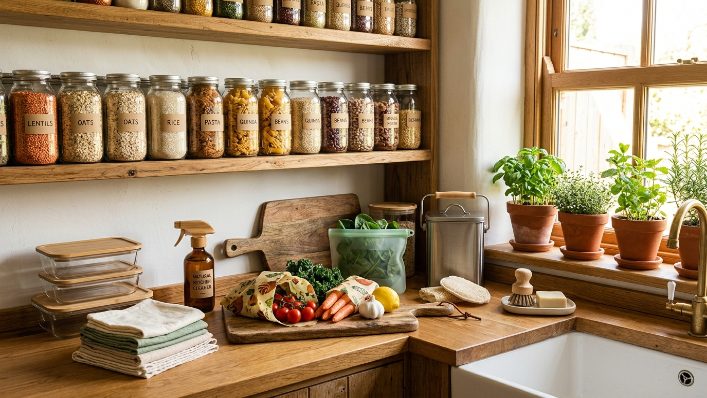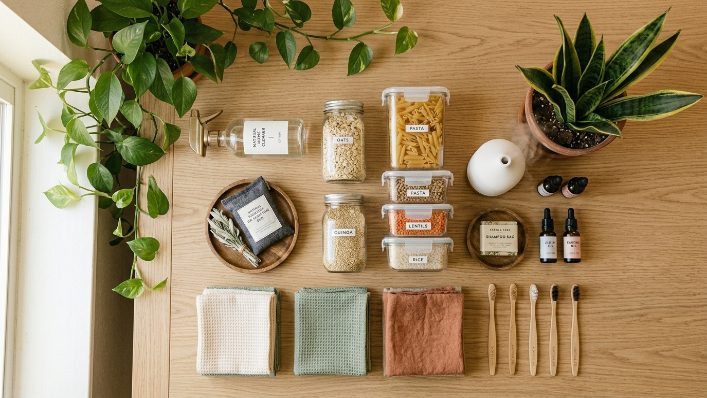
If you meal prep regularly, you already know the struggle. You open your cabinet and a avalanche of mismatched plastic containers tumbles out. Half of them have lids that don’t fit anymore. Some are stained orange from last month’s tomato sauce. A few have that weird cloudy film that never washes off no matter how many times you run them through the dishwasher.
Here is the hard truth about those plastic containers. They are not just ugly. They are quietly harmful. Most plastic food containers contain chemicals that slowly leach into your food especially when heated. They scratch easily and those scratches become breeding grounds for bacteria. And when they finally crack or warp, they go straight to the landfill where they will sit for hundreds of years without breaking down.
The good news is that switching to eco-friendly meal prep containers is one of the most satisfying upgrades you can make in your kitchen. Better looking, better performing, better for your health, and better for the planet. This guide covers every type of eco-friendly container available so you can choose exactly what works best for your lifestyle and budget.
Why Plastic Containers Are Worth Replacing
Understanding exactly why plastic is problematic makes it easier to commit to switching. Most plastic food containers are made from materials that contain BPA, phthalates, or other synthetic chemicals used to make the plastic flexible and durable. Research has consistently shown that these chemicals can migrate into food and drinks, particularly when containers are heated in the microwave, run through a hot dishwasher, or used to store acidic foods like tomatoes, citrus, and vinegar based dressings.
Even containers labeled BPA-free are not necessarily safe. Many manufacturers simply replaced BPA with similar chemicals like BPS or BPF that research suggests may carry the same risks. The safest approach is to move away from plastic food storage entirely for anything that will be heated or used regularly.
Beyond the health concerns, plastic containers have a much shorter lifespan than most people realize. The average plastic container gets replaced every one to three years as it warps, stains, and degrades. Each replacement means more plastic being manufactured and more plastic eventually ending up in the trash. Switching to durable eco-friendly alternatives means buying once and using for years or even decades.
Glass Containers: The Gold Standard
If you are only going to make one switch in your meal prep routine, make it to glass containers. Glass is without question the best all-around eco-friendly food storage option available and here is why.
Glass is completely non-porous which means it never absorbs smells, flavors, or bacteria from your food. You can store strong-smelling leftovers like curries or fish dishes and the container will come out of the dishwasher smelling perfectly clean every single time. Plastic containers hold onto those smells permanently after just a few uses.
Glass is oven safe, microwave safe, freezer safe, and dishwasher safe all at once. You can take a glass container straight from the freezer, pop it in the oven to reheat, and bring it to the table to serve from all in the same container. That level of versatility eliminates the need for multiple types of containers for different purposes.
The clarity of glass makes meal prep genuinely more enjoyable. When your prepped meals are stored in clear glass containers lined up in your fridge, you can see exactly what you have at a glance. It looks organized, intentional, and honestly quite beautiful compared to a shelf full of stained mismatched plastic.
Glass containers with snap-lock silicone lids are the most practical design for meal prep. The lids create an airtight seal that keeps food fresh significantly longer than loose-fitting plastic lids. Look for lids made from food-grade silicone rather than plastic for the most eco-friendly complete package.
A starter set of glass containers in multiple sizes typically costs between $30 and $60. This might feel like more than a set of cheap plastic containers but glass containers last for ten to twenty years with normal use. The cost per use over that lifetime is a fraction of what you spend constantly replacing plastic.
Stainless Steel Containers: The Unbreakable Option
For anyone who worries about dropping and breaking glass containers or who needs containers for work, school, gym, or travel, stainless steel is the perfect eco-friendly alternative. Stainless steel containers are virtually indestructible, incredibly lightweight, and one of the most sustainable materials used in food storage today.
High quality stainless steel used in food storage is made from recycled content and is itself fully recyclable at the end of its life. It contains no chemicals that can leach into food under any conditions. It does not stain, does not hold smells, and does not degrade over time no matter how many times it goes through the dishwasher.
Stainless steel containers are particularly great for packed lunches, school snacks, and taking food on the go because they are so lightweight and handle rough handling without any risk of cracking or breaking. Many stainless steel containers come with leak-proof silicone sealed lids making them completely safe to carry in a bag.
The one limitation of stainless steel is that it cannot go in the microwave. If you need to reheat your meal prep at work or school, you will need to transfer the food to a microwave-safe bowl or plate. For many people this is a minor inconvenience that is easily managed, but it is worth knowing before you invest in a full set.
Stainless steel containers range in price from $15 for a single container to $60 or more for a set. They last essentially forever with basic care making them one of the most cost-effective food storage investments you can make over a lifetime.
Silicone Bags and Pouches: The Flexible Space Saver
One of the most common complaints about switching away from plastic is losing the convenience of zip-lock bags. Silicone reusable bags solve this completely. They look and function almost identically to disposable plastic zip bags but can be washed and reused hundreds of times before they need replacing.
Food-grade silicone is a non-toxic material derived from silica, which is found naturally in sand. It contains no BPA, no phthalates, and no other synthetic chemicals. It is heat resistant up to around 400 degrees Fahrenheit which means silicone bags can go in boiling water for sous vide cooking, in the microwave, and even in the oven for low-temperature uses.
Silicone bags are ideal for storing snacks, marinating proteins, freezing portioned ingredients, and packing cut fruits and vegetables for lunches. They flatten completely when empty which means they take up almost no storage space in your kitchen compared to rigid containers. A full set of silicone bags in multiple sizes takes up less room than a single stack of plastic containers.
A set of four to six silicone bags in various sizes costs between $15 and $30. Each bag replaces hundreds of single-use plastic zip bags over the course of its life making the environmental and financial savings genuinely significant over time.
Beeswax Wraps: For the Items That Don’t Fit a Container
Not everything fits neatly into a container. Half an avocado. A chunk of cheese. A bowl of leftovers that just needs to be covered overnight. This is where most people default to plastic wrap or aluminum foil, both of which are single-use and create a constant stream of waste.
Beeswax wraps are the eco-friendly answer to this problem. Made from organic cotton infused with beeswax, tree resin, and jojoba oil, they cling to surfaces and mold around food using the warmth of your hands. They create a breathable seal that keeps food fresh while still allowing it to respire naturally, which is actually better for produce than being sealed in airtight plastic.
Beeswax wraps come in small, medium, and large sizes to cover everything from a single lemon half to a large mixing bowl. They are washable with cold water and mild soap and can be used for up to a year of regular use before they start to lose their clinginess. At that point they can be composted because they are made entirely from natural materials.
A set of three beeswax wraps in different sizes costs between $12 and $20. Over the course of a year they replace hundreds of sheets of plastic wrap making them a smart eco-friendly investment for any kitchen.
Bamboo and Wood Containers: For Dry Food Storage
For storing dry foods like nuts, trail mix, crackers, granola, and snacks that do not require airtight sealing or refrigeration, bamboo and wood containers are a beautiful and sustainable option. Bamboo is one of the fastest growing plants on earth, can be harvested without killing the plant, and requires no pesticides or artificial irrigation to grow abundantly.
Bamboo containers with simple lids are perfect for keeping snacks accessible on your counter or in your pantry while reducing the amount of plastic packaging that comes into your home. Instead of keeping nuts in their original plastic bag, transfer them to a bamboo container and keep the bag out of your kitchen entirely.
These containers are not suitable for wet or liquid foods and should not be put in the dishwasher as water can warp and crack the wood over time. Hand wash gently and dry immediately. Treated properly, bamboo and wood containers last for many years and get more beautiful with age as the material develops a natural patina.
How to Transition Without Spending a Lot at Once
One of the most common reasons people put off making this switch is the upfront cost of buying a whole new set of containers all at once. The good news is that you absolutely do not have to replace everything at once. A gradual transition is actually the smarter and more eco-friendly approach because it means you use your existing containers until they naturally reach the end of their life rather than throwing them away prematurely.
Start by buying one or two glass containers this week. Use them for the meals or ingredients you store most often. Notice how much better they work and how much nicer your fridge looks. Then next month add a set of silicone bags to replace the zip-lock bags you go through most quickly.
Over the course of three to six months you can fully transition your meal prep setup without ever feeling like you spent a lot of money at once. By the time you are done you will have a complete set of eco-friendly containers that will serve you reliably for years and cost you far less over time than constantly replacing cheap plastic.
What to Look for When Buying Eco-Friendly Containers
Not every product that markets itself as eco-friendly actually is. Knowing what to look for helps you make genuinely good choices rather than falling for greenwashing.
For glass containers, look for borosilicate glass rather than regular soda-lime glass. Borosilicate glass is significantly more resistant to thermal shock which means it is far less likely to crack when going from cold to hot temperatures. It is also more durable overall and is the same type of glass used in laboratory equipment.
For stainless steel, look for food-grade 18/8 stainless steel also written as 304 stainless steel. This grade contains no nickel leaching at safe levels and is the most durable and corrosion-resistant option for food contact.
For silicone, look for products labeled 100% food-grade platinum silicone. This is the highest purity grade of silicone and contains no fillers or additives. A simple way to test silicone quality is to pinch and twist the material. If it turns white, it contains fillers. Pure platinum silicone stays its original color when twisted.
For lids on any container, prioritize silicone or stainless steel over plastic. Even if the container itself is glass or stainless steel, a plastic lid still introduces the risk of chemical leaching especially if it comes into contact with food or steam.
Building Your Ideal Meal Prep Container Collection
The ideal eco-friendly meal prep container collection does not need to be complicated or extensive. A practical starting collection for most people includes four to six glass containers in medium and large sizes for storing full meals and large batches of food, two to three small glass containers for sauces, dressings, and single serve items, a set of four silicone bags in small and medium sizes for snacks and produce, and a set of three beeswax wraps for covering bowls and wrapping individual food items.
This core collection covers virtually every meal prep need you will encounter and can be built gradually over a few months for a total investment of around $80 to $120. That investment will serve you for the next ten to twenty years and save you far more than that in food that stays fresh longer, plastic containers you never have to replace, and single-use bags and wraps you never have to buy again.
Your meal prep routine deserves better than ugly stained plastic. Your food deserves to be stored in materials that keep it fresh, safe, and looking as good as the effort you put into preparing it. Making the switch is one of those rare decisions where every single outcome is better than what you had before.