Living in an apartment doesn’t mean you have to waste money or hurt the environment. In fact, small spaces are actually easier to make eco-friendly because there’s less to manage. The real trick is knowing which changes make the biggest difference — for your wallet and for the planet.
Here are 10 practical eco-friendly apartment ideas that save you space, cut your bills, and help you live a little greener every single day.
1. Switch to LED Bulbs in Every Room
This is the easiest change you can make and one of the most impactful. Regular light bulbs waste a huge amount of electricity as heat. LED bulbs use up to 75% less energy and last up to 25 times longer.
For a small apartment, replacing every bulb with LED takes less than 20 minutes and costs around $20 to $30 total. After that, your electricity bill drops noticeably every single month. Over a year, most people save between $50 and $100 just from this one switch.
LEDs also come in warm, soft tones now so your apartment won’t feel like a hospital. You get lower bills, less waste from constantly replacing burned-out bulbs, and a cozy atmosphere all at once.
2. Use a Drying Rack Instead of a Dryer
If your apartment has a dryer, it is probably one of the biggest electricity users in your entire home. A dryer can cost anywhere from $0.30 to $0.60 per load to run. If you do laundry three times a week, that adds up to over $80 a year — just on drying clothes.
A foldable drying rack costs around $20 to $30 and lasts for years. You set it up when you need it and fold it flat and tuck it away when you don’t. It takes up almost no space in a small apartment, especially when folded.
Your clothes also last longer when air-dried because the heat from dryers slowly breaks down fabric fibers over time. So you’re saving money on electricity and spending less on replacing worn-out clothes.
3. Add Indoor Plants for Natural Air Filtering
Most apartments have stale, recycled air that gets trapped inside. Buying an air purifier is expensive — both to purchase and to run. A much cheaper and more natural solution is indoor plants.
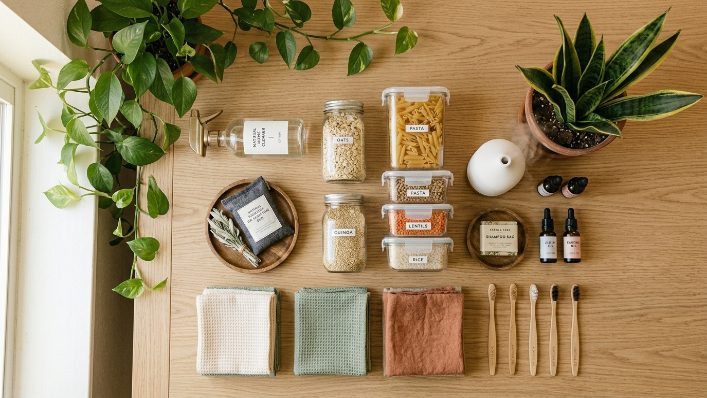
Certain plants like pothos, spider plants, peace lilies, and snake plants are well known for absorbing toxins from the air and releasing fresh oxygen. They thrive in low-light conditions which makes them perfect for apartments that don’t get a lot of direct sunlight.
A single pothos plant costs around $5 to $10 and can grow for years with minimal care. Place a few around your apartment and you’ll notice the air feeling fresher, especially in rooms that don’t get much ventilation. They also make any space look more alive and inviting without taking up much room at all.
4. Install a Low-Flow Showerhead
Water bills are one of those costs that quietly drain your money every month without you noticing. A standard showerhead uses about 2.5 gallons of water per minute. A low-flow showerhead uses 1.5 gallons or less — that’s a 40% reduction with zero change to your daily routine.
Most low-flow showerheads are designed to maintain strong water pressure so your shower feels exactly the same. Installation takes about 5 minutes and requires no tools beyond a basic wrench. The showerhead itself costs between $15 and $40.
If you rent your apartment, check with your landlord first — but most landlords are perfectly fine with this kind of swap since it reduces water usage. Over the course of a year, a low-flow showerhead can save thousands of gallons of water and noticeably reduce your utility bill.
5. Use Reusable Grocery Bags and Produce Bags
Single-use plastic bags are one of the most wasteful things most people use without thinking. The average person uses hundreds of plastic bags every single year. Most of them end up in landfills or oceans within weeks of being used.
A set of reusable grocery bags costs around $10 to $15 and lasts for years. Pair them with a set of reusable mesh produce bags for fruits and vegetables and you eliminate almost all plastic bag waste from your shopping trips entirely.
These bags fold down small enough to fit in your purse, backpack, or jacket pocket so you always have them when you need them. Some grocery stores even offer small discounts when you bring your own bags, which means over time these bags actually pay for themselves.
6. Buy Secondhand Furniture Instead of New
Furniture is one of the biggest expenses when setting up or upgrading an apartment. It’s also one of the most wasteful — millions of perfectly good pieces of furniture end up in landfills every year because people don’t think about buying used.
Secondhand furniture from thrift stores, Facebook Marketplace, or apps like OfferUp is usually 50% to 80% cheaper than buying new. A sofa that costs $800 new might be found in great condition for $100 to $200. A solid wood coffee table that would cost $300 new might cost $30 used.
Beyond saving money, buying secondhand reduces the demand for new manufacturing which requires raw materials, energy, and creates emissions. You’re giving a perfectly good item a second life instead of adding to the waste problem. Many secondhand pieces, especially older ones, are also made from higher quality materials than modern budget furniture.
7. Use a Smart Power Strip to Eliminate Phantom Energy
Most people have no idea that their electronics are using electricity even when they’re turned off. This is called phantom energy or standby power, and it accounts for up to 10% of a home’s electricity use every year.
Your TV, game console, microwave, laptop charger, and many other devices all draw power constantly as long as they’re plugged in — even if you’re not using them. A smart power strip detects when a device is not in use and cuts the power automatically.
A good smart power strip costs between $20 and $40. You plug your TV and all related devices into one strip, and when the TV is off, the strip cuts power to everything connected to it. Over a year, this can save a noticeable chunk off your electricity bill with zero effort after the initial setup.
8. Store Food in Reusable Containers to Cut Waste
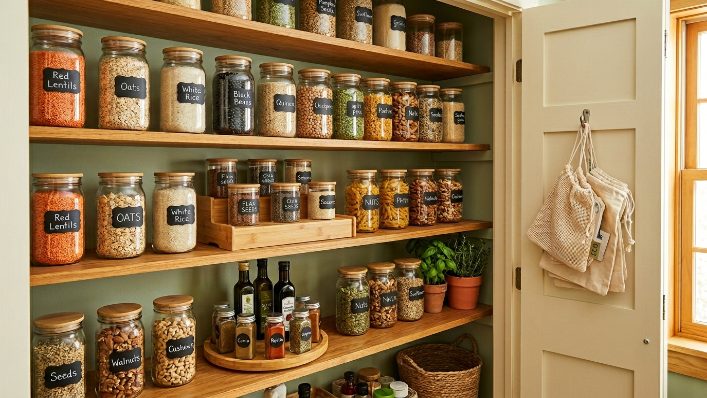
Food waste costs the average household hundreds of dollars every year. A big part of that is food going bad before it gets eaten — often because it wasn’t stored properly. Replacing single-use plastic bags and plastic wrap with reusable glass or silicone containers keeps food fresh significantly longer.
Glass containers with tight-sealing lids are the best option. They don’t absorb smells, they don’t stain, they’re safe to use in the microwave and oven, and they last for decades. A set of 10 glass containers costs around $30 to $50, which pays for itself very quickly in food you stop throwing away.
Silicone zip bags are another great option for items that don’t need a hard container. They work just like plastic zip bags but can be washed and reused hundreds of times. Switching to these two products alone can eliminate almost all single-use plastic from your kitchen.
9. Maximize Natural Light to Reduce Electricity Use
Many apartment renters don’t think about how much money they spend on lighting simply because they haven’t set up their space to use natural light well. The more natural light you let in, the less you need to turn on electric lights during the day.
Start by keeping your windows clean — dirty windows block a surprising amount of light. Switch to light or sheer curtains instead of heavy dark ones. Place mirrors on walls opposite your windows to bounce light deeper into the room. Arrange your main sitting and working areas near windows so you naturally have the most light where you spend the most time.
These changes cost very little — maybe the price of new curtains — but they reduce how much you run your lights during the day. In a small apartment, good use of natural light can completely eliminate the need for artificial lighting from morning until evening on bright days.
10. Start a Small Herb Garden on Your Windowsill
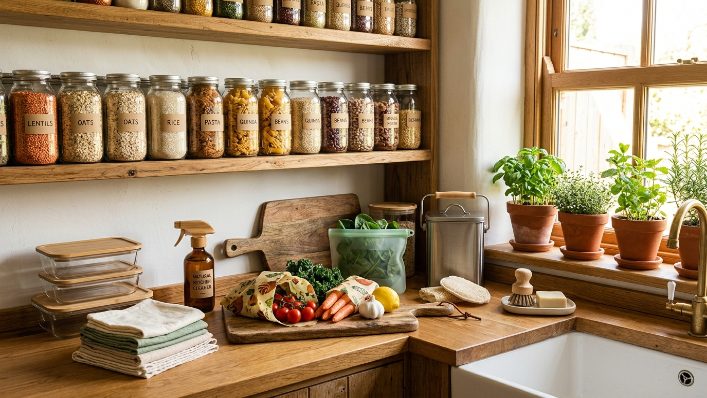
Buying fresh herbs at the grocery store is surprisingly expensive. A small bunch of basil, cilantro, or parsley costs $2 to $4 every time, and half of it usually goes bad before you finish it. A windowsill herb garden solves this completely.
You only need a few small pots, some potting soil, and seed packets or small starter plants. The total startup cost is around $10 to $20 for several herbs. After that, you have a constant fresh supply of basil, mint, rosemary, thyme, parsley, and whatever else you cook with most — for free.
A windowsill herb garden takes up almost no space, needs only a few minutes of care per week, and keeps your kitchen smelling wonderful. It also connects you to the idea of growing your own food which, even at a small scale, is one of the most satisfying and eco-friendly habits you can build in apartment living.
Final Thoughts
You don’t need to overhaul your entire life to live more sustainably in an apartment. These 10 ideas are small, affordable, and practical — and when you add them all up, the difference in your monthly bills and your environmental impact becomes genuinely significant.
Pick two or three ideas from this list and start this week. Once those become habits, add a few more. Before long, your apartment will be running leaner, greener, and cheaper than most — and it won’t feel like any sacrifice at all.