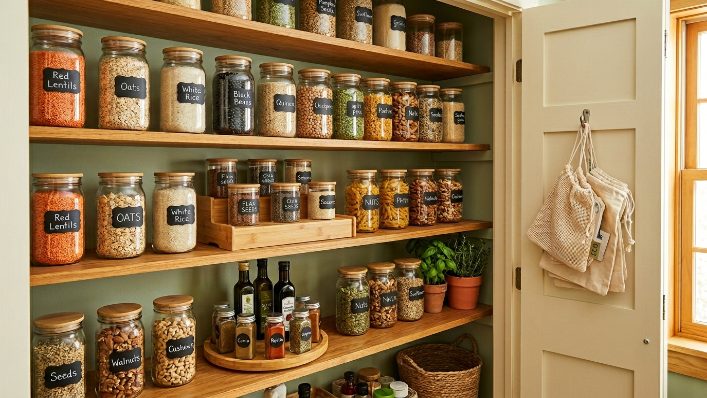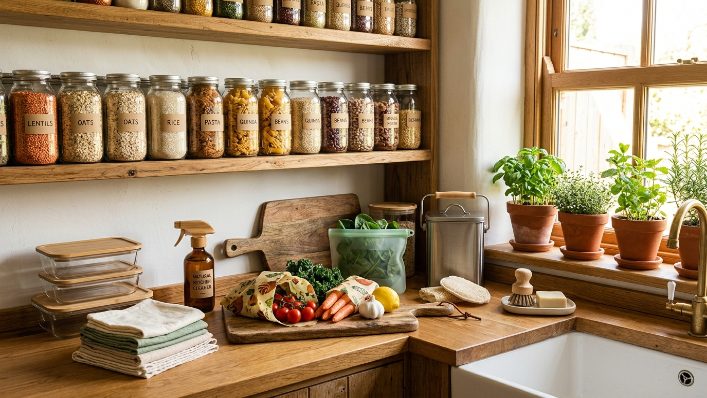
The kitchen is where most household waste is born. It is where the plastic packaging comes in, where the food scraps pile up, where the paper towels disappear by the roll, and where the single-use bags and wraps accumulate faster than most people realize. For a long time the idea of a zero-waste kitchen felt like something reserved for people with unlimited time, unlimited budget, and a very specific aesthetic that involved mason jars arranged on open shelving in a farmhouse kitchen with a compost bin the size of a small car.
The reality of building a zero-waste kitchen is far more practical and far more accessible than that image suggests. It does not require a kitchen renovation or a complete simultaneous overhaul of every habit you have built over years of cooking and food management. It requires making a series of individual swaps, each one simple and sensible on its own terms, that together transform your kitchen into a space that produces dramatically less waste without feeling like a sacrifice or a constant performance of environmental virtue.
These are ten swaps that genuinely make sense. Not just environmentally but practically, financially, and aesthetically. Each one is better than what it replaces in at least one meaningful way beyond just being more sustainable.
1. Paper Towels to Reusable Cotton Cloths
1111111
Paper towels are one of the most quietly expensive and wasteful habits in any kitchen. The average household spends between $100 and $180 on paper towels every single year. That money buys a product that is used for thirty seconds and then thrown away. Every roll you go through represents trees that were cut down, water and energy that were used in manufacturing, and packaging that gets discarded before a single sheet is even torn off.
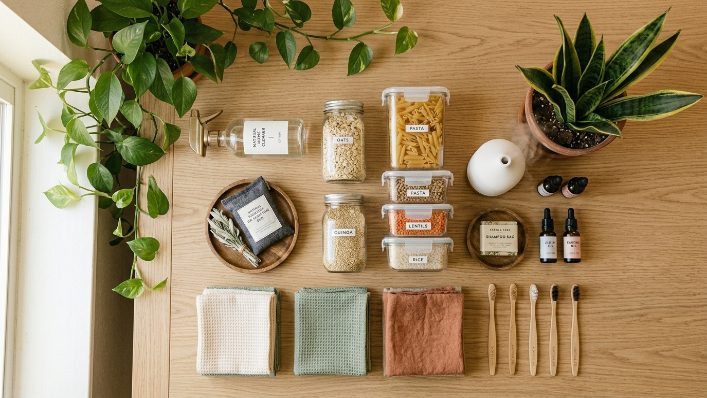
Switching to reusable cotton cloths eliminates this expense and this waste stream entirely. Cut up old t-shirts or buy a pack of inexpensive cotton washcloths and stack them in the exact spot where your paper towel roll used to live. Use them for every task you currently use paper towels for. Wipe spills, clean surfaces, dry hands, scrub the stovetop. Toss them in the wash when they are dirty and they are ready to use again.
A set of fifteen cotton cloths costs around ten to fifteen dollars and lasts for years. The financial saving over twelve months is significant and the waste reduction is immediate and visible. This is one of those swaps where once you make it you genuinely wonder why you waited so long.
2. Plastic Wrap to Beeswax Wraps
Plastic wrap is one of those kitchen products that most people use constantly and almost never think about. It wraps half a lemon. It covers a bowl of leftovers. It seals the cut end of a cucumber. Each piece is used once and thrown away, and unlike most plastics it cannot be recycled because it is too thin and too contaminated with food residue to be processed.
Beeswax wraps replace plastic wrap for virtually every task it performs in a kitchen. Made from organic cotton infused with beeswax, tree resin, and jojoba oil they cling to surfaces and mold around food using the warmth of your hands. They keep cut produce fresh, cover bowls overnight, and wrap sandwiches and snacks for packed lunches. When you are done simply rinse with cold water and air dry.
A set of three beeswax wraps in small, medium, and large costs between twelve and twenty dollars and lasts for up to a year of regular use. They look beautiful in a kitchen with their natural colors and patterns and they add a warmth and intentionality to your food storage that a sheet of plastic wrap never could.
3. Plastic Zip Bags to Silicone Reusable Bags
Zip lock bags are another single-use plastic staple that most kitchens go through in enormous quantities without much thought. They are used for storing snacks, freezing portioned ingredients, marinating proteins, packing lunches, and dozens of other tasks that come up in any active kitchen week.
Silicone reusable bags look and function almost identically to plastic zip bags but can be washed and reused hundreds of times before needing replacement. Food-grade platinum silicone contains no BPA, no phthalates, and no other synthetic chemicals. It handles temperatures from freezer cold to boiling water and can even go in a low temperature oven making it significantly more versatile than the plastic bags it replaces.
A set of four to six silicone bags in two sizes costs between fifteen and thirty dollars and replaces hundreds of single-use plastic bags over its lifetime. They take up slightly more storage space than a box of zip bags when not in use but fold down reasonably flat and stack neatly in a drawer or cabinet.
4. Liquid Dish Soap in Plastic Bottles to Dish Soap Bars
The plastic bottle under your kitchen sink that holds your dish soap gets replaced every few weeks in most active households. Over the course of a year that adds up to dozens of plastic bottles, each one requiring new manufacturing resources and eventually ending up in the recycling stream where not all of them actually get recycled.
Dish soap bars are a solid concentrated alternative that cleans dishes just as effectively as liquid soap, produces zero plastic waste, and lasts significantly longer than a liquid bottle of equivalent cleaning power. You simply wet your dish brush or sponge and rub it against the bar to work up a lather before washing as normal.
Dish soap bars cost between eight and fifteen dollars each and last for several weeks of regular use depending on household size. Paired with a wooden dish brush with natural bristles that can be composted at the end of its life, this swap addresses both the packaging waste and the synthetic brush waste that accumulates in most kitchen waste streams.
5. Disposable Sponges to Natural Alternatives
The humble kitchen sponge is one of the most problematic items in any kitchen from both a hygiene and an environmental perspective. Conventional yellow and green kitchen sponges are made from synthetic plastic foam and nylon scrubbing layers that cannot be recycled and take decades to break down in landfill. They also harbor bacteria in their porous structure at a rate that makes them one of the most germ-contaminated objects in any home, often more bacteria-laden than toilet seats according to microbiological research.
Natural alternatives to conventional sponges are both more hygienic and more sustainable. Loofah sponges are made from the dried fibrous interior of the loofah gourd which is a plant in the cucumber family. They clean effectively, dry faster than synthetic sponges which reduces bacterial growth, and can be composted at the end of their life. A wooden dish brush with plant fiber bristles handles most dish washing tasks with no sponge required and can have just the brush head replaced when it wears out rather than discarding the entire brush.
Cotton dish cloths and small knitted cotton scrubbers are washable and reusable alternatives for everyday wiping and light scrubbing tasks. A set of natural kitchen cleaning tools costs around fifteen to twenty-five dollars and eliminates the steady stream of disposable synthetic sponges from your kitchen waste permanently.
6. Plastic Storage Containers to Glass Jars and Containers
Most kitchens contain a chaotic collection of mismatched plastic containers with missing lids, warped bases, and stained walls that tell the story of years of microwave use and aggressive dishwasher cycles. Replacing this collection with glass jars and containers is one of the most transformative swaps you can make both practically and aesthetically.
Glass containers store food without absorbing odors or flavors. They go from freezer to oven to microwave to dishwasher without any degradation. They do not stain from tomato sauce or turmeric. They do not leach chemicals into food under any conditions. And when lined up on a shelf or in a fridge they look genuinely beautiful in a way that a collection of mismatched plastic never does.
Wide mouth mason jars are the most versatile and affordable starting point. They store dry pantry goods, overnight oats, salad dressings, soups, and cut produce with equal ease. A set of snap lock glass containers in two or three sizes handles leftover meals and batch cooked food beautifully. Building this collection gradually as your plastic containers reach the end of their natural life rather than replacing everything at once makes the transition financially painless.
7. Conventional Cleaning Products to a Three Ingredient Natural Kit
Most kitchen cabinets under the sink hold a collection of five to ten different commercial cleaning products in plastic bottles, each one designed for a specific surface or task. Kitchen degreaser, surface spray, oven cleaner, drain cleaner, glass cleaner, tile cleaner. Together they represent a significant ongoing expense, a cluttered storage situation, and a constant source of synthetic chemicals being introduced into your kitchen air and water.
The three ingredient natural cleaning kit replaces all of them. White vinegar diluted with water in a glass spray bottle handles the vast majority of kitchen surface cleaning. Baking soda provides gentle abrasion for tougher cleaning tasks and clears slow drains when combined with vinegar. Concentrated castile soap diluted appropriately cleans floors, appliances, and anything that needs a soapy clean rather than a disinfecting spray.
This three ingredient kit costs around five to ten dollars to assemble, takes up a fraction of the cabinet space of a full collection of commercial products, and handles every cleaning task a kitchen requires without introducing a single synthetic chemical into your home environment.
8. Plastic Produce Bags to Reusable Mesh Bags
The thin plastic bags that line the produce section of every grocery store are among the least recyclable and most unnecessary plastic items in a typical shopping routine. Most produce does not need to be bagged at all, and for the items that do, a set of reusable mesh bags handles the job with no plastic waste whatsoever.
Reusable mesh produce bags are made from lightweight organic cotton or recycled polyester mesh that allows the cashier to see and weigh produce through the bag. They fold down small enough to keep permanently in your grocery bags so they are always available when you shop. A set of five to eight bags in two sizes costs between ten and twenty dollars and eliminates plastic produce bags from your shopping routine entirely.
This is one of the smallest and simplest zero-waste swaps available and one of the most visible in terms of the immediate reduction in plastic you bring home from every single grocery shop.
9. Single-Use Coffee Pods and Filters to Reusable Alternatives
Coffee is one of the most consumed beverages in the world and the way most people make it in a home kitchen generates a surprising and largely invisible stream of daily waste. Single-use coffee pods made from plastic and aluminum represent one of the most environmentally costly ways to make a cup of coffee available. Billions of these pods end up in landfills every year globally. Paper coffee filters, while seemingly benign, add up to hundreds of pieces of single-use paper waste per household annually.
A reusable stainless steel coffee filter or a reusable mesh coffee pod compatible with your existing machine eliminates filter waste from your kitchen completely. A French press or pour-over coffee maker with a permanent stainless steel or gold mesh filter makes exceptional quality coffee with zero ongoing consumable waste and zero plastic exposure in the brewing process.
For households that use a drip coffee maker a reusable stainless steel basket filter costs between eight and fifteen dollars and lasts indefinitely. The coffee grounds that result from brewing can go directly into your compost bin making the entire coffee making process essentially zero waste from bean to cup.
10. Conventional Bin Liners to Compostable or No-Liner Systems
The bin liner is so ubiquitous in kitchen waste management that most people never question whether it needs to exist at all. Conventional plastic bin liners are single-use plastic products that are almost never recycled because they are contaminated with food waste. They exist in enormous quantities and represent one of the most straightforward plastic waste streams to address in any kitchen.
The simplest solution for renters and small apartment dwellers is to eliminate bin liners from your food waste stream by using a dedicated compost bin for all food scraps. When your kitchen bin only receives dry non-food waste like packaging and paper, it rarely gets dirty enough to require a liner at all. A quick wipe with your natural cleaning spray every week or two is sufficient to keep it clean and odor-free.
For the unavoidable wet waste situations compostable bin liners made from plant starch are available at most eco-friendly retailers. These liners break down fully in a composting environment rather than persisting in landfill for decades like their plastic counterparts. They cost slightly more than conventional liners but the peace of mind of knowing your bin liner is genuinely breaking down rather than becoming a permanent fixture of the landfill is worth the small price difference.
The Kitchen You Build One Swap at a Time
Looking back at these ten swaps what becomes clear is that none of them are difficult, none of them require significant sacrifice, and most of them result in a kitchen that is genuinely more functional and more beautiful than the one built from conventional disposable products.
A kitchen with cotton cloths instead of paper towels, glass jars instead of plastic containers, beeswax wraps instead of plastic wrap, and natural cleaning products instead of chemical sprays is not just more sustainable. It is quieter, cleaner, more organized, and more intentional. It looks better, smells better, and works better for the people who cook and eat in it every day.
The zero-waste kitchen is not an aesthetic performance or a political statement. It is simply a kitchen where every item has been chosen with a minimum of thought about what it is made of, where it came from, and where it will eventually go. Ten swaps. Ten decisions. One kitchen that finally makes complete sense.