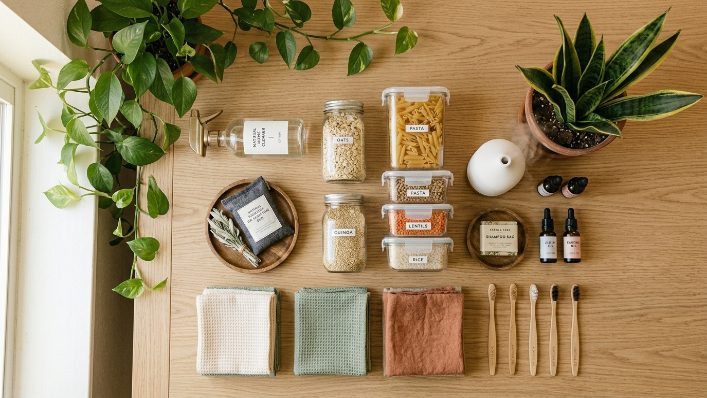
If you have ever moved into a brand new apartment and noticed a sharp chemical smell in the air, or opened a cabinet full of cleaning products and felt slightly dizzy from the fumes, you have already experienced firsthand what indoor air pollution feels like. Most people assume that the air inside their home is cleaner and safer than the air outside. The research tells a very different story.
According to the Environmental Protection Agency indoor air can be two to five times more polluted than outdoor air and in some cases significantly worse. The primary culprits are the everyday products most renters surround themselves with without a second thought. Synthetic cleaning products, plastic storage items, conventional candles, synthetic air fresheners, and off-gassing furniture all contribute to an indoor environment that quietly undermines your health every single day.
The good news is that switching to non-toxic alternatives does not require overhauling your entire apartment at once or spending a fortune on specialty products. It requires making five specific swaps that address the biggest sources of indoor toxins in a typical small apartment. These five essentials are practical, affordable, renter-friendly, and genuinely effective at creating a cleaner and healthier home environment.
1. A Natural All-Purpose Cleaning Kit
Cleaning products are the single biggest source of indoor air pollution in most apartments and also the easiest category to replace completely with safer and more effective natural alternatives. Most conventional cleaning products contain a cocktail of synthetic chemicals including ammonia, chlorine bleach, artificial fragrances, and surfactants that release volatile organic compounds into your indoor air every time you use them. These compounds linger in your air long after you finish cleaning and accumulate in your body over time through inhalation and skin contact.
The irony is that most of these harsh chemicals are not actually necessary to clean your home effectively. The surfaces in a typical small apartment can be cleaned thoroughly and safely with a handful of simple natural ingredients that cost a fraction of what commercial cleaning products do and come without the health and environmental baggage.
White vinegar is the foundation of any natural cleaning kit. Diluted fifty percent with water in a glass spray bottle it effectively cleans and disinfects kitchen counters, bathroom surfaces, stovetops, mirrors, and windows. The vinegar smell dissipates completely within a few minutes of application leaving no chemical residue and no lingering odor. A large bottle of white vinegar costs less than two dollars and makes enough cleaning spray to last for weeks.
Baking soda is the second essential component of a natural cleaning kit. It works as a gentle abrasive scrub for surfaces that need more than a spray and wipe, effectively removing soap scum from bathroom tiles, grease from stovetops, and stains from sinks without scratching surfaces. Combined with white vinegar it creates a powerful fizzing reaction that clears slow drains without the need for harsh chemical drain cleaners that are among the most toxic products found in any household.
Castile soap is a plant-based liquid soap made from vegetable oils that serves as a gentle but effective cleaner for floors, dishes, laundry, and general household cleaning. A single bottle of concentrated castile soap diluted appropriately replaces several different conventional cleaning products making it one of the most versatile and space-efficient cleaning products available which is particularly valuable in a small apartment with limited storage.
Complete the kit with a set of reusable cotton cleaning cloths and a good quality scrub brush with a wooden handle and natural fiber bristles. These replace disposable paper towels and synthetic sponges which are both significant sources of ongoing waste and potential bacterial contamination in conventional cleaning routines.
The entire natural cleaning kit costs between $15 and $25 to assemble and lasts significantly longer than the equivalent collection of commercial products. It takes up less storage space, produces less packaging waste, and creates a genuinely cleaner and healthier home environment than the chemical-laden products it replaces.
2. Non-Toxic Air Purification
After addressing what you clean your apartment with the next most impactful step is addressing the quality of the air you breathe inside it every day. Conventional air fresheners and synthetic scented products are among the most deceptive sources of indoor air pollution because they are marketed as making your home cleaner and fresher when in reality they are doing the opposite.
Most conventional air fresheners, plug-in scent diffusers, and synthetic candles work by releasing synthetic fragrance chemicals into your air. The word fragrance on an ingredient label can legally represent a mixture of hundreds of different synthetic chemicals, many of which are known irritants, hormone disruptors, and carcinogens. These products do not clean your air. They mask odors by adding more chemicals to it.
There are several genuinely effective non-toxic alternatives that improve your indoor air quality rather than compromising it. The first and most impactful is simply opening your windows whenever weather and outdoor air quality permits. Fresh air circulation is the most effective air purification method available and it costs nothing. Even ten to fifteen minutes of open windows each morning significantly reduces the concentration of indoor pollutants that accumulate in a closed living space overnight.
Indoor plants are the next level of natural air purification. Certain plants have been shown in research to absorb common indoor pollutants including formaldehyde, benzene, and trichloroethylene from indoor air. Snake plants, pothos, peace lilies, spider plants, and rubber plants are all effective air purifying plants that thrive in the low light conditions common in small apartments. A collection of three to five of these plants distributed around your apartment provides ongoing passive air purification that improves over time as the plants grow larger.
For scenting your home without synthetic chemicals a pure essential oil diffuser is the healthiest available option. An ultrasonic diffuser uses water and a few drops of pure essential oil to create a fine cool mist that scents the air naturally. Pure essential oils are derived directly from plants and contain none of the synthetic chemicals found in conventional fragrance products. Lavender, eucalyptus, lemon, and peppermint are all popular choices that smell wonderful and have genuine aromatherapy benefits beyond just pleasant scent.
Activated charcoal bags are another excellent non-toxic air purification tool that works particularly well in small enclosed spaces like closets, bathrooms, and under sinks where odors and moisture tend to accumulate. Activated charcoal naturally absorbs odors and excess moisture from the air through adsorption without releasing any chemicals. A small bamboo charcoal bag placed in a problem area works continuously for up to two years before needing to be refreshed by placing it in direct sunlight for a few hours.
3. Glass and Stainless Steel Food Storage
The food storage containers in your kitchen have a direct and ongoing impact on your health that most people seriously underestimate. Every time you store food in a plastic container, heat food in a plastic container, or put a plastic container through the dishwasher, there is a risk of chemical migration from the plastic into your food. The chemicals of concern include BPA and its replacements BPS and BPF, phthalates used to make plastic flexible, and antimony used as a catalyst in PET plastic production. Research links these chemicals to hormonal disruption, developmental issues, and a range of other health concerns with ongoing exposure over time.
Switching your food storage entirely to glass and stainless steel eliminates this risk completely while also giving you containers that perform better in every practical way. Glass containers do not absorb odors or stain from strong foods. They go safely from freezer to oven to microwave to dishwasher without any degradation. They are completely non-porous which means bacteria cannot penetrate the surface the way it can penetrate scratched plastic. And they last for decades compared to the one to three year practical lifespan of most plastic containers.
For a small apartment kitchen you do not need a large collection. A set of four to six glass containers in two or three sizes handles the vast majority of food storage needs for one to two people. Prioritize containers with snap lock silicone lids rather than plastic lids for the most completely non-toxic food storage solution. The silicone creates an airtight seal that keeps food fresh significantly longer than loose fitting plastic lids while introducing no chemical risk.
Stainless steel containers are the ideal complement to glass for any food storage situation where portability and durability matter more than visibility or oven compatibility. A stainless steel bento box or lunch container for taking food to work or school, a stainless steel water bottle that completely replaces disposable plastic bottles, and a stainless steel travel mug that replaces disposable coffee cups together eliminate some of the most consistent sources of both chemical exposure and plastic waste in a typical renter’s daily life.
Mason jars deserve a special mention as one of the most versatile and affordable non-toxic food storage solutions available. Wide mouth mason jars in various sizes store everything from dry pantry goods to salad dressings to overnight oats to leftover soups. They are made from simple soda lime glass with no coatings or treatments, seal tightly with a two piece lid, are dishwasher safe, and cost just a few dollars each. A collection of mason jars in a few sizes can replace most of the plastic containers, plastic bags, and miscellaneous storage items cluttering a small apartment kitchen.
4. Natural Fiber Bedding and Textiles
The textiles in your apartment, your bedding, towels, curtains, and soft furnishings, represent a category of indoor toxin exposure that most people never consider. Conventional textiles made from synthetic fibers like polyester, nylon, and acrylic are essentially plastic fabrics that shed microscopic plastic fibers called microplastics into your environment with every wash and with every night of use. These microplastics accumulate in household dust, get inhaled during sleep, and have been found in human lung tissue, blood, and organs in recent research.
Beyond microplastic shedding, conventional textiles are often treated with a range of synthetic chemicals during manufacturing including formaldehyde based wrinkle resistant treatments, flame retardant chemicals, antibacterial treatments, and synthetic dyes. Many of these chemicals off-gas from new textiles for months after purchase and are absorbed through prolonged skin contact during sleep.
Given that the average person spends seven to nine hours in direct contact with their bedding every single night, what your bedding is made of has a greater cumulative impact on your chemical exposure than almost any other single product in your apartment. Switching to organic cotton or linen bedding certified by GOTS eliminates exposure to pesticide residues, synthetic chemical treatments, and microplastic shedding all at once.
You do not need to replace all of your bedding at once. Start with an organic cotton pillowcase since your face and airways are in the most direct and prolonged contact with this item during sleep. Then gradually replace your duvet cover, fitted sheet, and flat sheet as your current bedding wears out naturally rather than throwing away usable items prematurely.
For towels look for organic cotton or bamboo options without synthetic antibacterial treatments. Natural fiber towels are more absorbent than synthetic ones, do not shed microplastics into your laundry water, and last significantly longer with proper care. For curtains and soft furnishings in a rented apartment look for natural fiber options in cotton, linen, jute, or wool at thrift stores and secondhand shops where you can find beautiful natural fiber textiles at a fraction of their original cost.
5. A Non-Toxic Personal Care Edit
The final essential category of non-toxic apartment living is personal care products. The average person applies between nine and fifteen personal care products to their body every single morning before leaving the house. Shampoo, conditioner, body wash, face wash, moisturizer, deodorant, toothpaste, makeup, and various other products each contribute their own mixture of synthetic chemicals to your daily chemical exposure load.
The skin is not an impermeable barrier. Many of the chemicals in personal care products are absorbed directly into the bloodstream through prolonged skin contact. Synthetic fragrances, parabens used as preservatives, sulfates used as foaming agents, phthalates used as fragrance fixatives, and aluminum compounds used in conventional antiperspirants have all been identified as chemicals of concern in personal care products with varying levels of research linking them to health effects ranging from skin irritation and hormone disruption to more serious long term concerns.
Building a non-toxic personal care routine does not mean giving up effective products or spending significantly more money. It means reading ingredient labels and gradually replacing products that contain the most concerning synthetic chemicals with simpler natural alternatives.
Start with the products you use most and leave on your skin the longest since these represent the highest exposure. A natural moisturizer made from simple plant oils like jojoba, rosehip, or shea butter contains no synthetic preservatives or fragrances and is often more effective than commercial moisturizers for most skin types. A natural deodorant made from ingredients like baking soda, arrowroot powder, shea butter, and essential oils eliminates aluminum and synthetic fragrance from one of the most chemically absorbent areas of your body.
For oral care a fluoride free natural toothpaste or tooth powder in glass or paper packaging replaces the conventional toothpaste tube which is one of the most difficult plastic and mixed material items to recycle. A bamboo toothbrush replaces plastic. Natural floss made from silk or plant-based materials in a glass refillable dispenser replaces conventional nylon floss in plastic packaging.
The key to successfully transitioning your personal care routine to non-toxic alternatives is to do it gradually and give each new product adequate time to work. Your skin and body often need two to four weeks to adjust to new products especially when transitioning away from products containing harsh synthetic ingredients that your skin has been compensating for over time. Be patient with the process and focus on one product category at a time rather than trying to replace everything simultaneously.
Building Your Non-Toxic Apartment One Swap at a Time
Creating a genuinely non-toxic small apartment is not something that happens in a single weekend shopping trip. It is a gradual and intentional process of replacing the most harmful conventional products with safer natural alternatives as those products run out or wear out naturally.
The five categories covered in this guide represent the highest impact areas of non-toxic apartment living. Addressing your cleaning products, your air quality, your food storage, your textiles, and your personal care routine covers the vast majority of the significant chemical exposure points in a typical small rented apartment.
Start with whichever category feels most urgent or most manageable for where you are right now. Maybe you already have concerns about your cleaning products. Maybe your food storage situation has been bothering you. Maybe the textile category is new information that feels important to address. Whatever resonates most is exactly the right place to begin.
Every swap you make toward a non-toxic home is a genuine improvement to your daily health and wellbeing. These are not abstract environmental benefits that only matter at a global scale. They are direct and personal improvements to the air you breathe, the water you drink, the food you eat, and the products you put on your body every single day. And in a small apart
ment where you spend a significant portion of your life, those daily improvements add up to something genuinely meaningful over time.