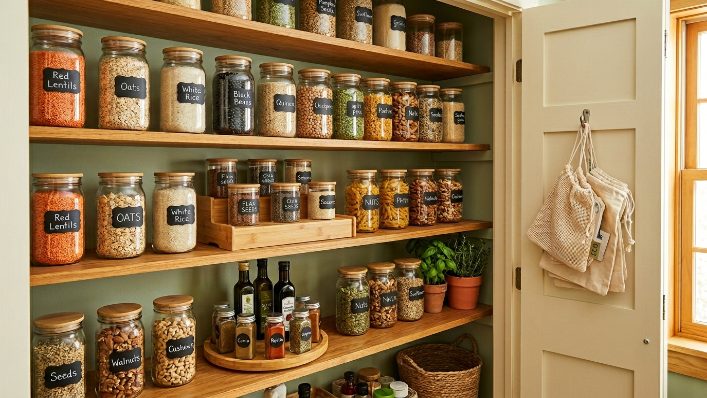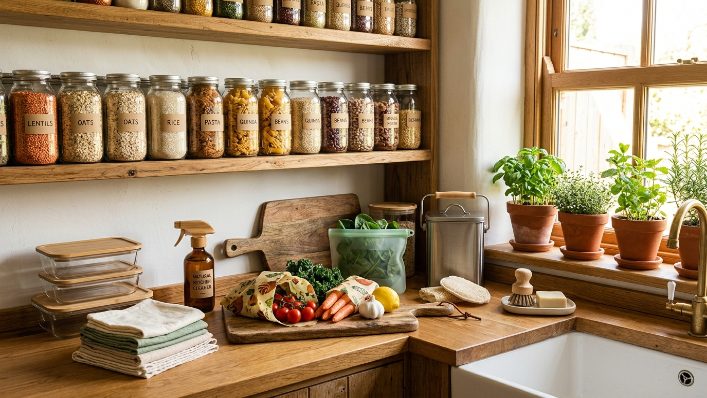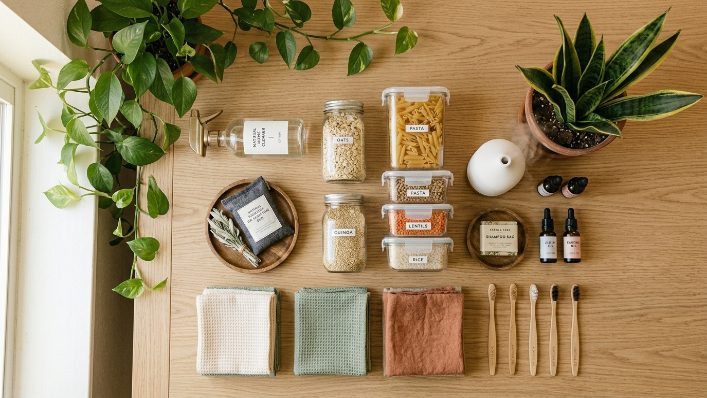
Living in a small rented space and trying to live sustainably at the same time can feel like you are fighting two battles at once. Your landlord controls what you can change. Your limited square footage controls what you can store and do. And the zero waste world online seems to be populated entirely by people with large kitchens, big budgets, and houses they actually own.
Here is the truth that most zero waste content glosses over. You do not need a lot of space, a lot of money, or a home you own to live significantly more sustainably than the average person. In fact small spaces have a natural advantage when it comes to sustainable living because there is simply less room for the kind of mindless accumulation and overconsumption that drives most household waste in the first place.
This guide is built specifically for renters living in small spaces. No recommendations that require permanent changes to your home. No suggestions that need a dedicated storage room or a large garage. Just realistic, practical, and genuinely doable tips that work within the real constraints of rented small space living.
Rethink What Zero Waste Actually Means
Before getting into practical tips it helps to reframe what zero waste means in a realistic context. The term zero waste is genuinely misleading because producing absolutely zero waste is impossible for almost any person living a normal modern life. Buying food, receiving packages, going to work, using healthcare, all of these things generate some amount of waste no matter how carefully you live.
The real goal of zero waste living is not perfection. It is progress. It is making consistently better choices that reduce the amount of waste you send to landfill over time. It is building habits that become second nature rather than stressful daily performances. And it is recognizing that imperfect sustainable living practiced consistently by many people makes a far greater difference than perfect sustainable living practiced by a handful.
Give yourself permission to be a realistic zero waste renter rather than a perfect one. That permission is what makes the whole thing actually sustainable long term.
Start With a Waste Audit
The most effective first step in reducing waste in a small space is understanding exactly what waste you are currently producing. For one week collect all of your household waste in a single bag rather than throwing it away. At the end of the week lay it out and look at what is actually there.
Most people are genuinely surprised by what their personal waste stream looks like up close. For the majority of households the biggest categories of waste are food packaging, food scraps, single use plastic items like bags and wraps, and paper products like paper towels and tissues. Knowing exactly what your biggest waste categories are allows you to focus your energy on the changes that will make the biggest actual difference for your specific household rather than making random swaps that may not address your real waste drivers at all.
This audit costs nothing, takes one week, and gives you more useful information about where to focus your zero waste efforts than any amount of reading or research.
Tackle Food Waste First Because It Matters Most
For most small households food waste is the single biggest contributor to both environmental impact and wasted money. Globally food waste is responsible for around eight percent of all greenhouse gas emissions which makes it one of the most significant drivers of climate change. And for individual households wasted food represents hundreds or even thousands of dollars thrown directly in the bin every year.
The good news is that reducing food waste in a small space is actually easier than in a large one because you have fewer places for food to get lost and forgotten. A small fridge and a small pantry are inherently easier to keep organized and visible than large ones.
Shop with a weekly meal plan. Before you go to the grocery store write down every meal you plan to eat that week and buy only what those specific meals require. This single habit eliminates the biggest driver of food waste in most households which is buying food based on vague intentions rather than specific plans and then watching it go bad before those intentions become reality.
Use the first in first out method in your fridge and pantry. When you bring new groceries home put them behind the older items already in your fridge and on your shelves. This ensures older items always get used before they expire rather than getting pushed to the back while newer items get used first.
Keep a dedicated leftover container at the front of your fridge at eye level. Every time you have leftover food from a meal it goes into this container immediately. Every time you open the fridge you see it and are reminded to eat it. This simple visual cue dramatically reduces the amount of cooked food that gets forgotten and wasted.
Learn a small collection of flexible recipes that use up whatever ingredients you have on hand rather than requiring specific items. A basic fried rice, a simple soup, a grain bowl, and a frittata are all recipes that can absorb almost any combination of vegetables, proteins, and grains that need using up. Having these four or five flexible recipes in your cooking repertoire means you can turn almost any collection of leftover ingredients into a proper meal rather than letting them go to waste.
Build a Compact Zero Waste Kitchen
The kitchen generates more waste than any other room in a small apartment and it is also where the most impactful zero waste swaps can be made. The key in a small space is to choose swaps that are compact, multi-purpose, and actually work as well as or better than the single-use items they replace.
Replace paper towels with a small stack of reusable cotton cloths. Cut up old t-shirts or buy a pack of inexpensive cotton washcloths and use these for every task you currently use paper towels for. Spills, wiping surfaces, drying hands, cleaning the stovetop. A stack of ten to fifteen cotton cloths takes up almost no more space than a roll of paper towels, costs less over time, and eliminates one of the most consistent sources of daily waste in most kitchens.
Replace plastic wrap and zip lock bags with a small collection of beeswax wraps and silicone bags. These cover virtually every food storage need that single use plastics currently handle in your kitchen and take up no more storage space. Three beeswax wraps in different sizes and four silicone bags eliminates the need for both plastic wrap and zip lock bags entirely.
Get a small countertop compost bin with a tight fitting lid. Even in the smallest kitchen a compact stainless steel compost bin fits on the counter or under the sink and collects food scraps that would otherwise go to landfill. If your building does not have a composting program check for community composting drop off points in your neighborhood, local community gardens that accept food scraps, or municipal composting programs. Many cities now offer curbside food scrap collection that works exactly like recycling pickup.
Switch to concentrated cleaning products. Most commercial cleaning sprays are ninety percent water that you pay to transport in a plastic bottle and then throw away. Concentrated cleaning tablets or refillable cleaning concentrate systems let you use the same spray bottle indefinitely, adding a small tablet or a few drops of concentrate and filling with water from your tap. This eliminates the steady stream of plastic cleaning bottles from your waste and takes up dramatically less storage space than keeping multiple full-sized bottles under your sink.
Reduce Bathroom Waste With Simple Swaps
After the kitchen the bathroom is the second biggest generator of single use waste in most small apartments. The average person goes through dozens of plastic bottles of shampoo, conditioner, body wash, and other personal care products every single year. In a small bathroom with limited storage this waste is particularly noticeable.
Shampoo and conditioner bars are the single most impactful swap you can make in the bathroom. A good quality shampoo bar lasts as long as two to three bottles of liquid shampoo, comes in minimal paper packaging or no packaging at all, takes up a fraction of the space of liquid bottles, and is completely plastic free. There is an adjustment period of one to two weeks while your scalp recalibrates to the new product but most people find that their hair is healthier and more balanced after making the switch.
A bamboo toothbrush replaces one of the most consistent sources of plastic waste in any bathroom. The average person uses between one and four plastic toothbrushes every year and every single one of those toothbrushes will exist in a landfill for hundreds of years after being used for just a few months. Bamboo toothbrushes function identically to plastic ones, cost about the same, and the handle can be composted at the end of its life.
Solid soap bars replace liquid hand soap and body wash in plastic pump bottles. A single bar of natural soap lasts as long as two to three bottles of liquid soap, costs the same or less, comes in paper packaging or no packaging, and takes up almost no space in a small bathroom. Look for bars made from natural plant-based oils without synthetic fragrances or artificial additives.
A safety razor replaces disposable razors which are one of the least talked about but most consistent sources of plastic bathroom waste. A single stainless steel safety razor costs between $20 and $40 and lasts essentially forever. The only part you replace is the small stainless steel blade which costs a few cents and can be recycled through metal recycling programs. Over a lifetime a safety razor saves hundreds of disposable plastic razors from ending up in landfill.
Buy Less and Choose Better When You Do Buy
The most powerful zero waste principle that applies specifically well to small space renting is also the simplest one. Buy less. A small space has a natural limit to how much stuff it can hold and that limit is actually a gift if you choose to see it that way.
Every time you feel the urge to buy something new ask yourself three questions before purchasing. Do I actually need this or do I just want it in this moment? Do I already own something that could serve this purpose? Where will this item go when I am done with it?
These three questions do not mean you never buy anything. They mean you buy with intention rather than impulse. And in a small rented space intentional buying means everything that comes in has a clear purpose, a clear place to live, and a clear plan for what happens to it eventually.
When you do need to buy something new look for secondhand options first. Facebook Marketplace, local thrift stores, Buy Nothing groups, Freecycle, and neighborhood swap groups are all excellent sources for virtually any household item you might need. Buying secondhand keeps items out of landfill, saves money, and means no new resources are used in manufacturing a replacement for something that already exists and works perfectly well.
When buying new is truly necessary choose items made to last rather than items made to be cheap. A well made stainless steel water bottle costs more than a plastic one but will still be working perfectly in twenty years while the cheap one will be in a landfill within two. A quality cast iron pan costs more upfront but will outlast dozens of cheap nonstick pans and can be passed down through generations. In a small space where you have fewer items anyway the quality of each item matters more not less.
Handle Recycling Properly in a Small Space
Recycling is often talked about as the cornerstone of sustainable living but the reality is more complicated and more important to understand correctly. Recycling is genuinely valuable but it only works when done properly. Contaminated recycling, items placed in the wrong bin, and wishful recycling of items that are not actually recyclable in your area all result in entire loads of recycling being sent to landfill rather than being processed.
In a small apartment space for multiple recycling bins is often limited. A simple and space-efficient solution is a single collapsible recycling bag that can be tucked into a cabinet or hung on the inside of a door when not full and collapsed flat when empty. Keep it simple and focus on correctly recycling the categories your local program actually accepts rather than trying to sort into many different streams.
Take the time to look up exactly what your local recycling program accepts. This varies significantly by city and region and what is recyclable in one city is often not recyclable in another. Knowing exactly what your program takes prevents wishful recycling which feels virtuous but often makes the problem worse rather than better.
For items your curbside program does not accept look into specialist recycling programs. Many brands and retailers now offer take back programs for specific items like batteries, electronics, beauty packaging, and soft plastics. TerraCycle runs free and paid programs that accept a wide range of hard to recycle items. A small collection box in a corner of your apartment can gather these items until you have enough to make a drop off worthwhile.
Create Systems That Make Sustainability the Easy Choice
The final and most important principle of zero waste living in a small rented space is this. Sustainability only sticks when it is the path of least resistance rather than the path of most effort. Every system you build should make the eco-friendly choice easier and more automatic than the wasteful one.
Put your reusable bags right next to your keys or inside your regular bag so you never leave home without them. Keep your reusable water bottle on the counter where you will see it and grab it automatically rather than in a cabinet where it is out of sight and out of mind. Store your compost bin where it is easier to scrape food scraps into it than to walk to the regular trash. Put your cotton cloths in exactly the spot where your paper towels used to be.
Small spaces actually have a significant advantage here because everything is close together and visible. The systems you build are easier to maintain and easier to see when they are working or not working. Use that proximity and visibility as a tool for building habits that become automatic over time.
Zero waste renter-friendly living in a small space is not about sacrifice or perfection. It is about building a home that reflects your values within the real constraints of your life. Every small swap, every system that works, every habit that sticks is a genuine win that adds up to something meaningful over time.
You do not need more space, more money, or a home you own to live this way. You just need to start where you are with what you have and keep going.