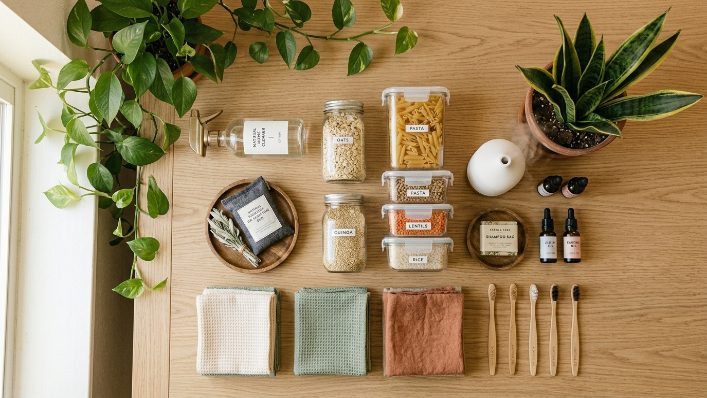
There is something quietly special about a Sunday that has nowhere to be. No deadlines, no obligations, no rushing out the door. A slow Sunday is one of the most underrated gifts you can give yourself and when you fill it with intentional eco-friendly self-care rituals it becomes something genuinely restorative rather than just a day of scrolling and snacking on the couch.
Eco-friendly self-care is not about buying expensive green beauty products or following complicated wellness routines you saw on social media. It is about slowing down enough to take care of yourself using simple natural practices that are good for your body, your mind, and the planet all at the same time. Most of the ideas in this guide cost very little, use ingredients you likely already have at home, and leave you feeling more rested and renewed than any expensive spa treatment ever could.
Here are five eco-friendly self-care routine ideas to make your next slow Sunday genuinely beautiful.
1. Start Your Morning With a Slow Natural Skincare Ritual
The way you begin a slow Sunday sets the tone for the entire day. Instead of reaching for your phone the moment you wake up, give yourself the gift of a slow and intentional morning skincare ritual using natural ingredients that are gentle on your skin and completely free of the harsh synthetic chemicals found in most commercial skincare products.
The beauty industry is one of the most environmentally damaging industries in the world. Most commercial skincare products come in single-use plastic packaging, contain synthetic preservatives and artificial fragrances, and are tested and produced in ways that generate significant waste and pollution. Building a natural skincare ritual at home sidesteps all of that while giving your skin ingredients that have been used effectively for thousands of years.
Start with oil cleansing. This is one of the oldest and most effective skincare methods available and requires nothing more than a natural plant oil and a warm damp cloth. Jojoba oil is the closest oil in composition to your skin’s natural sebum making it ideal for all skin types. Apply a small amount to dry skin and massage gently in circular motions for one to two minutes. This dissolves makeup, sunscreen, and the day’s impurities far more effectively than most commercial cleansers. Remove with a warm damp reusable cotton cloth and your skin will feel clean, soft, and completely balanced.
Follow with a simple honey face mask. Raw honey is one of the most powerful natural skincare ingredients available. It is naturally antibacterial, deeply moisturizing, and packed with antioxidants. Apply a thin layer of raw honey directly to clean skin and leave it for fifteen to twenty minutes while you sit quietly with a warm drink. Rinse with warm water and your skin will feel noticeably softer and more radiant than after any commercial sheet mask.
Finish with a few drops of a natural facial oil like rosehip, argan, or sweet almond oil pressed gently into damp skin. These oils are rich in vitamins and fatty acids that nourish and protect your skin without any synthetic additives. They come in small glass bottles that are recyclable and a single bottle lasts for several months making them extremely cost effective compared to commercial moisturizers in plastic packaging.
The whole ritual takes about thirty minutes and costs a fraction of what a commercial skincare routine costs over the course of a year. More importantly it gives you thirty minutes of quiet, intentional time dedicated entirely to taking care of yourself which is the real point of any self-care practice.
2. Take a Long Herbal Bath With Homemade Natural Additions
A long unhurried bath on a slow Sunday is one of the most deeply restorative things you can do for your body and mind. When you make it eco-friendly by skipping the synthetic bath bombs and artificial bubble baths in favor of simple natural additions, it becomes something even more nourishing.
Most commercial bath products are filled with synthetic fragrances, artificial dyes, and chemical foaming agents that irritate skin, disrupt your body’s natural balance, and wash down the drain into waterways where they can harm aquatic life. The natural alternatives are not only safer and more eco-friendly but often more effective at helping your body truly relax.
An oatmeal bath is one of the oldest and most soothing bath treatments known. Place two cups of rolled oats into a clean cotton sock or a small muslin bag and tie it closed. Drop it into your warm bathwater and squeeze it gently to release the milky oat liquid into the water. Oatmeal is naturally anti-inflammatory and deeply soothing for skin. It relieves irritation, softens rough patches, and leaves your skin feeling silky and calm. The oats can be composted after your bath making this treatment completely zero waste.
Epsom salts are another simple and powerful bath addition. Epsom salts are made from magnesium sulfate which absorbs through the skin during a bath and helps relax tense muscles, ease soreness, and reduce the physical symptoms of stress that accumulate in the body over a busy week. Add two cups to warm bathwater and soak for at least twenty minutes. Epsom salts are inexpensive, come in minimal cardboard packaging, and are one of the most effective natural tools for physical relaxation available.
Add a few drops of pure essential oil to your bathwater for aromatherapy benefits that work on your nervous system while you soak. Lavender is the most researched essential oil for relaxation and sleep. Eucalyptus opens airways and clears the mind. Chamomile is deeply calming for both skin and nervous system. Use only pure essential oils not synthetic fragrance oils which offer none of the therapeutic benefits and introduce synthetic chemicals into your bathwater.
Light a beeswax or soy candle near the bath, put on gentle music or nature sounds, and give yourself permission to stay in the water until it cools. There is no faster or more effective way to release the accumulated tension of a full week than a long warm bath with natural ingredients, soft light, and absolutely nowhere to be.
After your bath wrap yourself in a large cotton or linen towel rather than a synthetic microfiber towel. Natural fiber towels are more absorbent, softer against post-bath skin, and do not shed microplastics into the water supply the way synthetic towels do with every wash.
3. Make and Enjoy a Nourishing Whole Food Meal Entirely From Scratch
Self-care is not only about beauty rituals and relaxation practices. One of the most genuinely nourishing things you can do for yourself on a slow Sunday is to cook a real meal entirely from scratch using whole natural ingredients. Not a complicated recipe designed to impress anyone. Just a simple, beautiful meal made with care and eaten without distraction.
Cooking from scratch with whole plant-based ingredients is one of the most eco-friendly things you can do in your daily life. Whole foods require minimal packaging. They generate very little waste compared to processed foods. And a plant-based meal has a significantly lower environmental footprint than a meal built around conventionally produced meat and dairy.
Choose a recipe that excites you and that uses seasonal ingredients. Seasonal produce is fresher, more nutritious, cheaper, and dramatically lower in carbon footprint than out-of-season produce that has been shipped from the other side of the world. Visit a local farmers market on Sunday morning if one is available near you and let the seasonal ingredients on offer inspire what you cook rather than starting with a recipe and hunting down specific ingredients regardless of season.
Some ideas for nourishing whole food Sunday meals include a big pot of vegetable and lentil soup made with whatever vegetables you have on hand, a grain bowl built from cooked farro or brown rice topped with roasted seasonal vegetables and a simple tahini dressing, a homemade flatbread with hummus and fresh herbs from your windowsill garden, or a warming bowl of porridge made with rolled oats, plant milk, and fresh fruit if you prefer a slower morning meal.
The act of cooking slowly and intentionally is itself a form of self-care. Chopping vegetables, stirring a pot, watching something transform under heat requires enough gentle focus to quiet the mental chatter of a busy week without being demanding or stressful. It is meditative in the best possible way. And eating a meal you made entirely yourself with whole natural ingredients is deeply satisfying in a way that no takeout or processed food can replicate.
Eat your meal without screens. Sit at a table if you have one. Use a proper plate and cloth napkin. Light a candle. Give your meal the same attention and care you gave to preparing it. This single habit of eating mindfully without distraction is one of the most evidence-backed practices for improving both physical health and psychological wellbeing.
4. Spend Time Outside in Nature Without Your Phone
No eco-friendly self-care routine is complete without time spent in the natural world. Getting outside on a slow Sunday, even for just an hour, has benefits for your mental and physical health that no indoor self-care ritual can fully replicate. And it costs absolutely nothing.
Research consistently shows that spending time in nature lowers cortisol levels which is the primary stress hormone in the body. It reduces blood pressure, improves mood, boosts creative thinking, and restores the kind of deep mental rest that screens and indoor environments cannot provide. Japanese researchers developed a practice called Shinrin-yoku which translates to forest bathing which involves simply walking slowly through a natural environment while paying close attention to what you see, hear, smell, and feel. The documented health benefits of this practice are genuinely impressive and the practice itself could not be simpler or more accessible.
You do not need to live near a forest or a national park to benefit from time in nature. A local park, a tree-lined street, a river path, a beach, a community garden, or even a quiet backyard can provide the restorative benefits of natural contact if you approach the time with presence and attention rather than distraction.
Leave your phone at home or put it on airplane mode for the duration of your outdoor time. This is the single most important part of the practice. A walk in the park while scrolling through social media provides almost none of the mental restoration benefits of a walk in the park where your full attention is on the world around you. The whole point is to give your brain a genuine rest from the constant stimulation of screens and notifications.
Walk slowly. Notice details. Look up at the sky. Feel the texture of bark on a tree. Listen for birds. Observe how the light falls through leaves. Pick up an interesting stone. Breathe deliberately and slowly. These tiny acts of attention bring you fully into the present moment which is where all genuine rest and restoration actually happens.
If you have access to a garden or even a small outdoor space, spending part of your Sunday doing simple gardening tasks is one of the most eco-friendly and therapeutic outdoor activities available. Research shows that contact with soil specifically increases serotonin levels in the brain through exposure to naturally occurring bacteria found in healthy soil. Planting seeds, pulling weeds, repotting plants, or simply digging in the earth for half an hour delivers a genuine and measurable mood boost that lasts well into the evening.
5. Create a Screen-Free Evening Wind-Down Ritual With Natural Elements
How you end your slow Sunday matters just as much as how you spend the rest of it. Most people undo the benefits of a restful day by spending the last two hours before bed staring at screens which floods the brain with blue light that disrupts melatonin production and makes it significantly harder to fall asleep. An intentional screen-free evening wind-down ritual using natural elements closes out your slow Sunday in a way that sends you into the week ahead genuinely rested rather than just less tired than you were on Friday.
Start by putting all screens away at least ninety minutes before your intended bedtime. This includes your phone, laptop, television, and tablet. Turn on only warm low lighting in your space. Light a beeswax or soy candle. Put on gentle music, a podcast you find calming, or simply enjoy the quiet.
Make yourself a cup of herbal tea using loose leaf herbs rather than plastic-wrapped tea bags. Most commercial tea bags are made partly from polypropylene plastic which means they release microplastics into your tea when steeped in hot water. Loose leaf tea steeped in a small metal infuser or a simple glass teapot is both more eco-friendly and better tasting. Chamomile, passionflower, lemon balm, and valerian root are all herbs with documented calming and sleep-supporting properties. A warm cup of herbal tea held in both hands while sitting in a quiet and softly lit room is one of the simplest and most effective relaxation tools available.
Use this quiet time for something gentle and analog. Read a physical book, a paper one, not an ebook. Write in a journal using a pen made from recycled materials or bamboo. Sketch, paint, knit, or do any other craft that engages your hands and quiets your mind without requiring a screen. These activities are not only screen-free but genuinely restorative in ways that passive screen consumption never is because they engage your creativity and focus in a gentle, low-stakes way.
Do a simple ten minute body scan or guided breathing exercise to release any remaining physical tension before bed. Lie flat on your back and slowly bring your attention to each part of your body from your feet upward, consciously relaxing each area as you go. This practice requires no app, no equipment, and no prior experience with meditation. It is one of the most effective evidence-backed tools for transitioning your nervous system from an alert waking state into a state ready for deep and restorative sleep.
Finish by applying a small amount of natural body oil or lotion made from simple plant-based ingredients to your hands and feet. Shea butter, coconut oil, or a simple blend of jojoba and lavender essential oil are all deeply moisturizing, completely natural, and have a grounding and calming sensory effect that makes a perfect final act of self-care before sleep.
A Slow Sunday Well Spent
Eco-friendly self-care is not a trend or an aesthetic. It is the recognition that taking care of yourself and taking care of the planet are not separate things. When you choose natural ingredients over synthetic ones, whole foods over processed ones, time in nature over time on screens, and simple analog rituals over consumer-driven ones, you are making choices that benefit your body, your mind, your budget, and the world around you all at once.
You do not need to do all five of these ideas on the same Sunday. Start with one that resonates most with where you are right now. Maybe that is the herbal bath. Maybe it is the slow outdoor walk without your phone. Maybe it is just cooking one beautiful meal from scratch and eating it in quiet.
Whatever you choose, the most important ingredient in any slow Sunday self-care ritual is the same. Permission. Permission to slow down, to be present, to take up space in your own life, and to treat yourself with the same care and gentleness you would offer to someone you love deeply.
You deserve a Sunday that actually restores you. This is how you build one.